Arcadia Shower, Toilet and Faucet Repair: Fix the Drip Before It Costs You
A drip, a running toilet or a leaking valve wastes water every day. Call, and a plumber finds the worn part and fixes it.
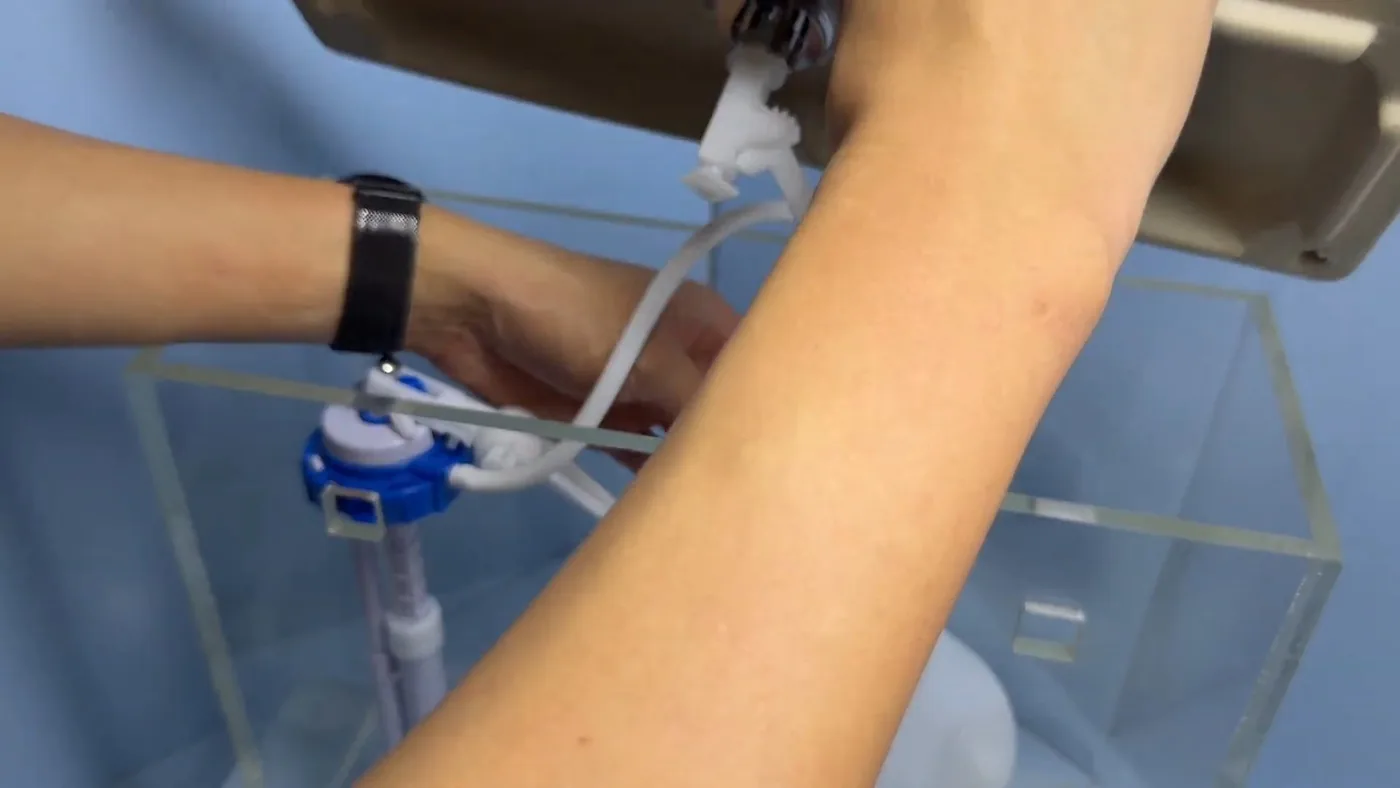
A dripping faucet, a toilet that runs after every flush, a shower that will not hold its temperature: these are the small plumbing problems that wear on a household. They also cost money: leaky faucets wasting water and a toilet that keeps running send gallons down the drain on every bill. Most are fixed with a part that costs little and a visit that takes a short time, if the plumber finds the right cause.
This page covers fixtures from the tub to the kitchen sink: repair, replacement and new installation, including the plumbing behind remodels. Arcadia homes are often older, because the median year built is 1965 (ACS 2024 5-year), so worn valves and fixtures are common. No source here says what the pipes in those homes are made of, so ask the plumber what yours are before a fixture swap.
Bathtub installation in Arcadia: what the plumbing behind a tub involves
A new bathtub is a plumbing job as much as a tile job. The tub needs a drain and an overflow that connect to the waste line, a trap that holds water against sewer gas, and a valve and spout on the supply side. When a tub is replaced, the plumber checks that the drain fits the new tub’s outlet, tests it for leaks before the walls are closed and sets the valve at the right depth for the finished wall.
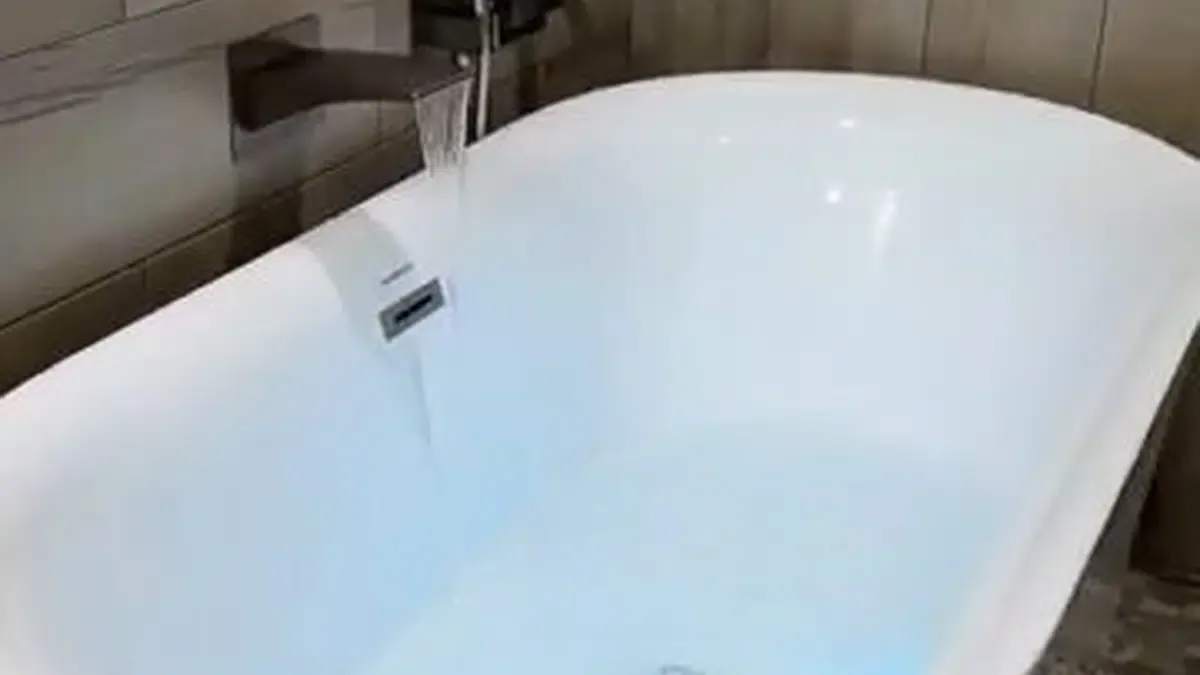
Access matters. Tubs set against an exterior wall or a slab can limit where the drain exits, and a plumber should look at the layout before the tub is ordered. A tub-to-shower conversion changes the drain and the valve location as well, so ask for the plumbing scope in writing, including who tests the drain and who patches the wall. Bathtub leak repair follows the same logic: find whether the water comes from the drain, the overflow or the valve.
Why does a shower valve leak or run hot and cold?
A leaking shower valve usually means a worn cartridge or seat. The handle drips from the spout after it is off, or the shower will not shut off fully. A temperature that swings when someone flushes a toilet or runs a tap often points to a failing pressure-balancing cartridge. Replacing the cartridge is the usual shower repair, and it restores steady temperature without replacing the whole valve.
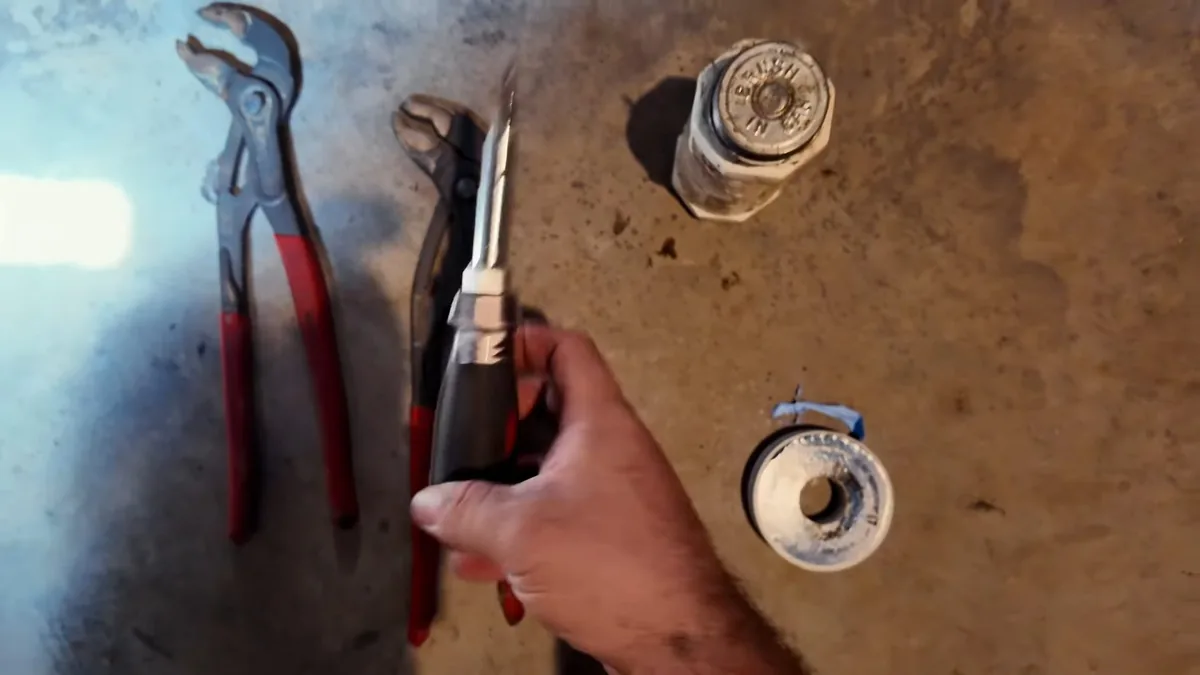
If the valve body itself is corroded, or if the handle trim is no longer made, the plumber may recommend a shower valve replacement. That involves opening the wall from the back or the front of the shower, so ask about the patch. Shower heads that spray unevenly are usually clogged with scale. Hard water is a common cause in this area, since the two suppliers report 210 and 160 in their 2025 hardness figures, so scale builds on fixtures.
Leaking valve, dripping tub or a toilet that will not stop running? Call and describe the fixture.
Call (626) 687-0217What does a bathroom sink or vanity repair involve?
Bathroom plumbing repair at the sink covers the faucet, the supply lines, the shutoff valves, the pop-up drain and the trap. A leak under the vanity can come from any of them, and the plumber checks each by drying the area, running the water and watching where it first appears. Slow drains are usually hair and soap in the trap or the pop-up, which can be cleaned without a snake.
Installing a new vanity or a sink needs a plumber when the rough-in has to move, since a drain that sits too high or too low for the new cabinet will not slope correctly. The supply lines and shutoff valves should be replaced at the same time, because old braided hoses fail without warning. Ask the plumber to leave you a working shutoff under every sink they touch.
Toilet replacement services in Arcadia: choosing and setting a new toilet
A toilet replacement begins with the rough-in, the distance from the wall to the center of the drain. Most toilets are set at 12 inches, but older homes can differ, and a toilet bought without checking may not fit. The plumber removes the old toilet, inspects the flange for cracks and rot, sets a new wax or foam ring and torques the bolts evenly so the bowl does not crack.
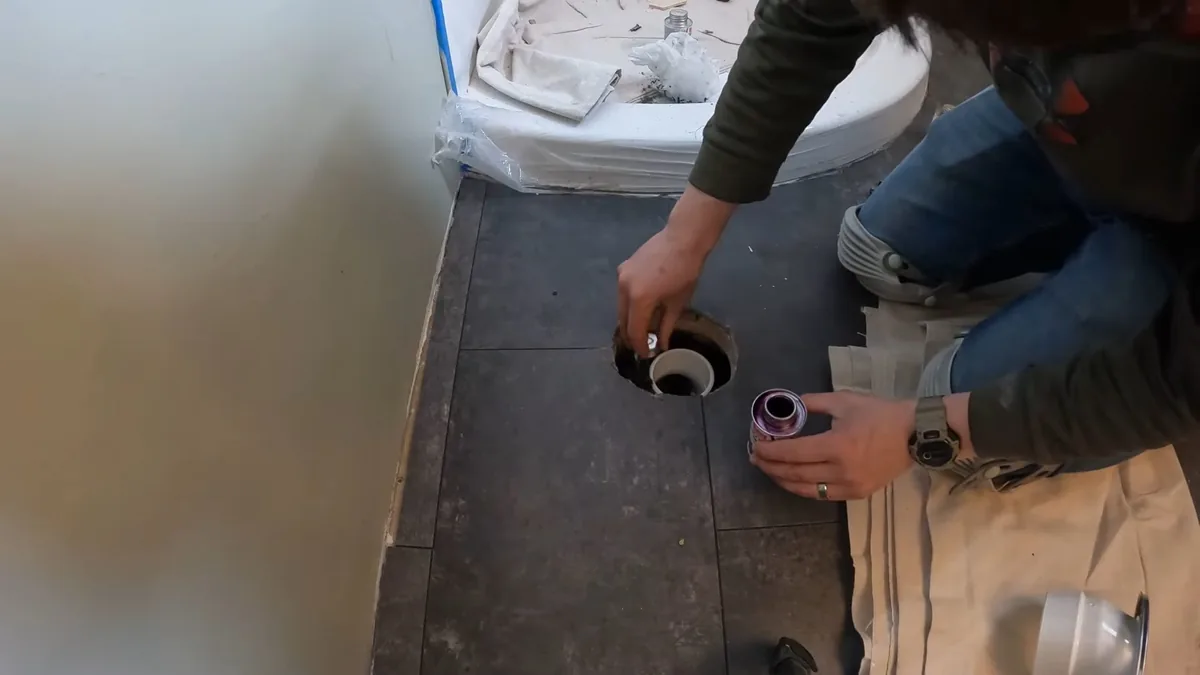
Dual-flush toilets and taller bowls are common upgrades. A plumber can also move a toilet to a new location, which means extending the waste line and the vent and often opening the floor. That is a remodel-scale job rather than a swap. Bidet seats need a supply tee and, sometimes, an outlet near the toilet; the plumber handles the water side, while the electrical side may need an electrician.
Toilet repair in Arcadia: running, weak flush and leaks at the base
Most toilet repair is inside the tank. A toilet that runs continuously usually has a flapper that no longer seals, a fill valve that does not shut off or a chain that is too tight or too loose. A weak flush may be low water in the tank, clogged rim jets or a partial blockage. A toilet that runs now and then with nobody near it is leaking slowly past the flapper, a fault known as a phantom flush.
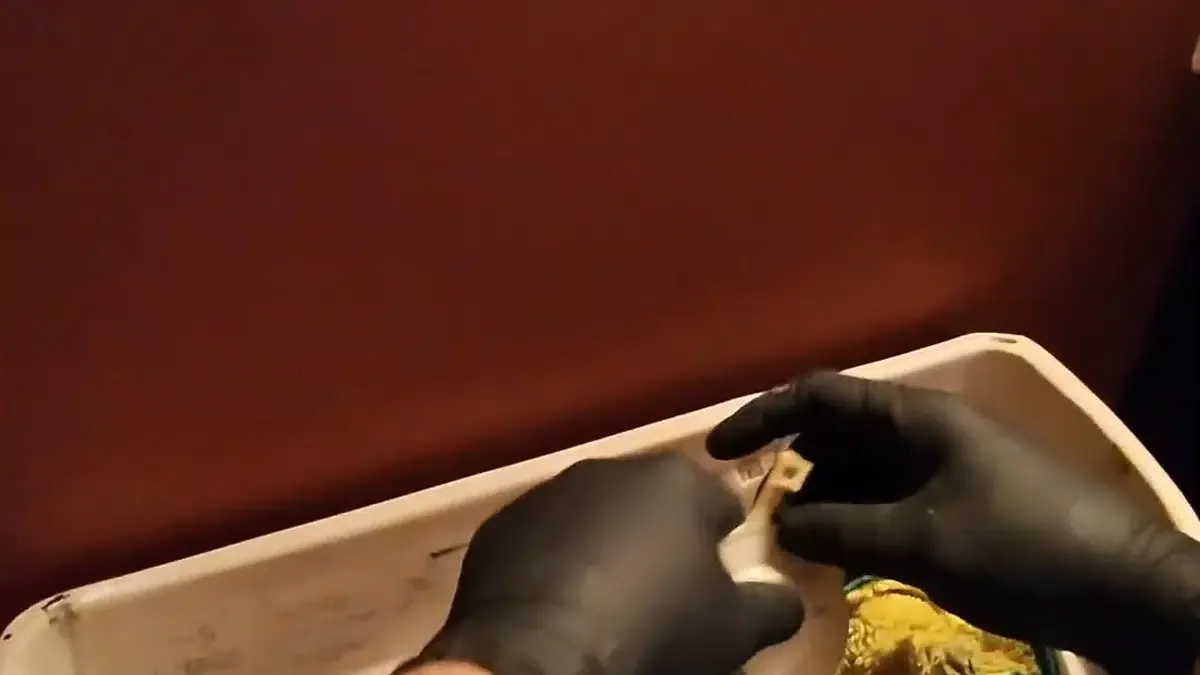
A leak at the base is a different matter. Water around the base can come from a failed wax ring, loose closet bolts or a crack in the bowl, and it can soak the subfloor over time. Do not keep flushing a toilet that leaks at the floor. A simple dye test in the tank, using a few drops of food coloring, shows whether the flapper leaks without a plumber.
A toilet that clogs more than once a month may have a problem in the drain line and not only the bowl. If more than one fixture backs up, the cause may be farther down, and drain clearing covers that side. Ask the plumber what the clog contained and whether the toilet was reset after it was removed.
Arcadia faucet repair: drips, low flow and worn cartridges
A faucet drips because a washer, cartridge or seat inside it has worn. Compression faucets with separate handles use washers; single-handle faucets use cartridges or ceramic discs. The plumber shuts off the supply, takes the faucet apart, replaces the worn part and reassembles it. If the faucet body is pitted or the finish is peeling, replacement costs little more than repair and gives a fixture that is easier to keep.
Low flow at one faucet is usually a clogged aerator, the small screen at the spout where scale and grit collect. Unscrewing the aerator and soaking it in vinegar often fixes it. If the flow is low at every fixture, the cause is somewhere upstream, such as a partly closed valve or the pressure regulator, and the water line repair covers that. Outdoor faucets and hose bibs that drip at the handle or leak inside the wall are repaired or replaced in the same way.
Faucet installation is a separate job when you are changing styles. The plumber checks the hole count in the sink or countertop, connects new supply lines and checks for leaks. A good installer shows you how to reach the shutoff valves and leaves the area clean. A leak from the connection under the sink is the usual sign the fitting was not tightened or the supply line was damaged.
Kitchen sink leaking, slow or clogged: what to check
A kitchen sink that leaks underneath is usually a supply line, a loose trap connection or the drain basket gasket. Slow drains are commonly grease and food in the trap or the line beyond it. A plumber can clear the trap, then run a cable through the drain if the water still backs up. If the sink has a disposal, the garbage disposal repair covers repair and replacement.
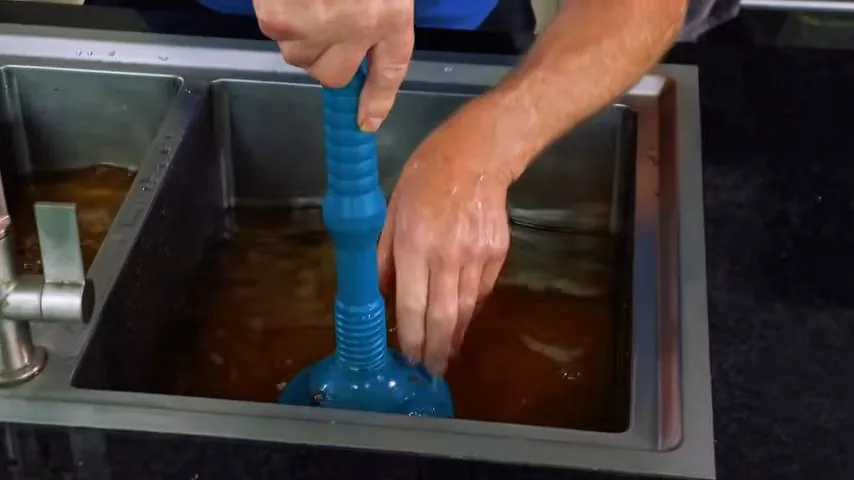
The kitchen has more connections than the bathroom: a dishwasher supply and drain, an ice maker line, an instant hot tap or a filter. Each one can leak and each should have its own shutoff. When a kitchen is remodeled, the plumber needs to know where the sink and appliances will sit before cabinets go in, so the rough-in is moved once and tested.
Shutoff valves, remodels and rough-in
Angle stops, the small valves under each sink and behind each toilet, are what let you shut off one fixture without losing water to the house. Old ones seize or weep when turned, so a plumber replaces them during any fixture work. Test yours once a year by closing and reopening each. A valve that does not close fully is a repair that is better done before a hose fails.
Remodel and new construction plumbing is a rough-in followed by a trim. In the rough-in, drains, vents and supply lines are placed in the open walls and pressure tested before inspection. The trim sets the fixtures on those lines after the finishes are done. Laundry rooms, wet bars, accessory dwelling units and a washer or dishwasher hookup follow the same sequence.
Bathroom and kitchen remodel plumbing may need a permit, and Arcadia’s Building Services office, (626) 574-5416, is the place to ask. For a burst supply line at night, the homepage describes how after-hours calls work: same-day call details.
Questions about faucet, toilet and fixture repair in Arcadia
What does it mean when a toilet runs randomly?
A toilet that refills on its own with nobody near it is leaking water from the tank into the bowl, usually past a worn flapper. The fill valve then tops up the tank, which you hear as a brief run. Replacing the flapper is a small repair, and a few drops of dye in the tank will show the leak.
How do I fix a toilet flapper or flush lever?
Shut off the supply valve, flush to empty the tank and look at the chain. If it is too tight the flapper cannot seal, and if it is too loose the flush is weak. A worn flapper is replaced by unhooking it from the tank. A plumber can fit the right part and check the fill valve in the same visit.
There is a leak in my bathroom wall. What should I do first?
Shut off the water at the nearest valve or the main, then call. Leave the wall closed until a plumber finds the source, since opening it can release more water. Soaked drywall should not be left to dry on its own, so ask about water damage restoration if the wall is wet through.
What causes a toilet to keep running?
The common causes are a flapper that does not seal, a fill valve that does not shut off, a chain with the wrong slack or a float set too high so water spills into the overflow tube. Most are fixed with an inexpensive part. A plumber can find the cause and replace it quickly.