
Water Heater Installation in Arcadia, CA: More Than a Tank Swap
A new heater has to be sized, strapped and vented, not only set in place. Call, and a plumber explains the install before the old tank is drained.
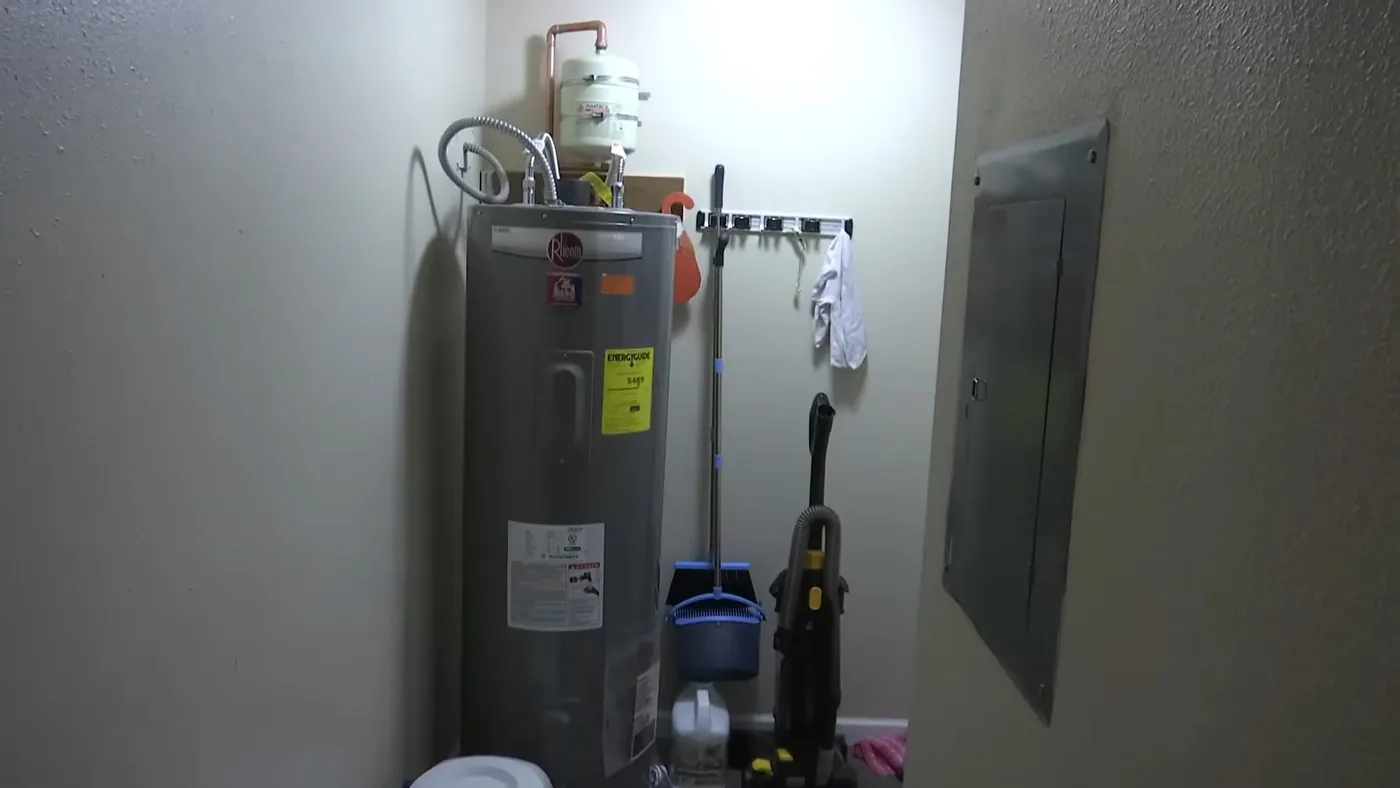
Most people expect a water heater replacement to be a swap: pull the old tank out, set a new one in the same spot, reconnect the pipes. Sometimes it is. More often the old heater was set up years ago to a standard that no longer applies, and the new one has to meet today’s requirements for strapping, venting, shutoff valves and the relief valve drain. The swap is the easy part of the job.
That is why a plumber for water heater installation matters more than the price of the tank. The sections below explain what a proper install includes, which Arcadia rules and code points apply, and how to tell whether it is time to replace rather than repair. Gas, electric and hybrid units are compared in the table in the second section.
Water heater installation in Arcadia: what a proper install includes
A tank water heater installation starts before the new unit arrives. The plumber confirms the fuel and the size, checks the space for clearance and combustion air, and decides whether the existing venting, gas connection, water connections and electrical supply can be reused. Anything that cannot be reused is priced and explained before the old heater is drained, so the day does not turn into a series of surprises.
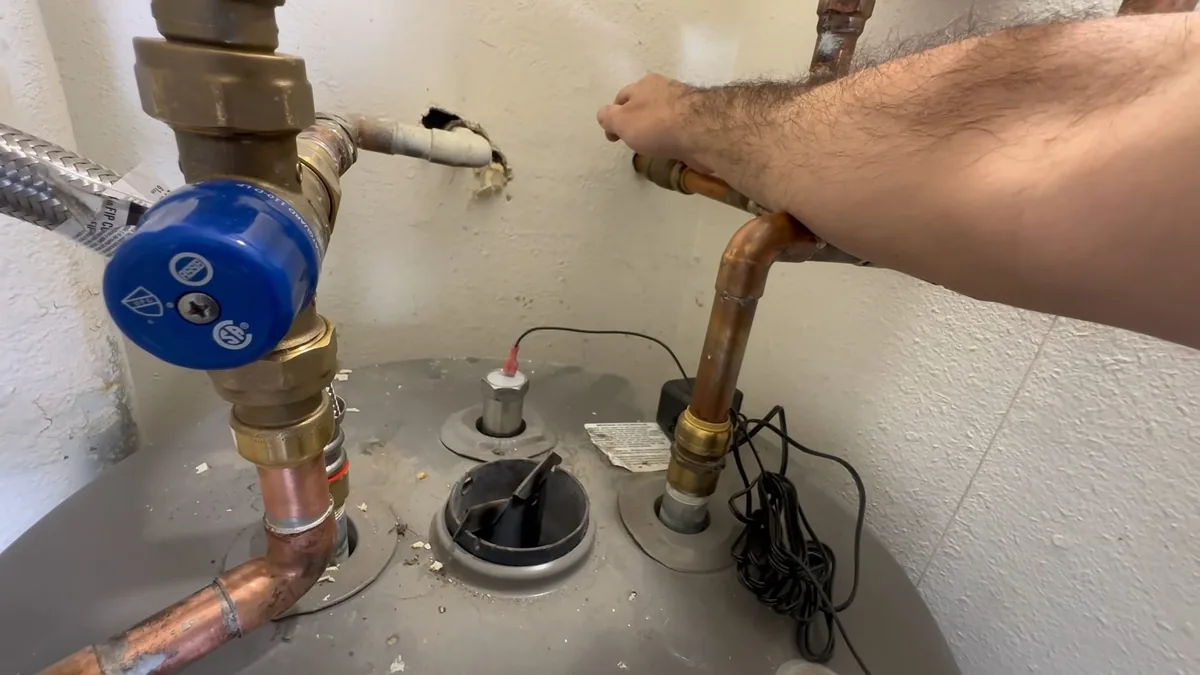
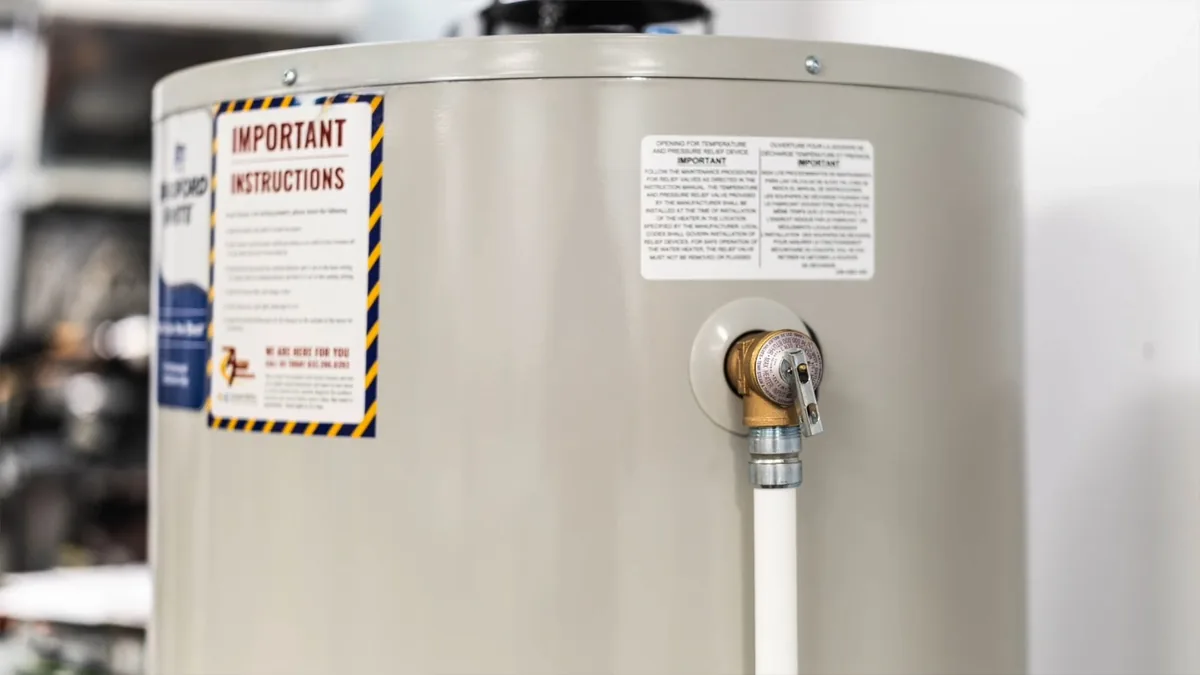
On the day, the plumber shuts off the water and the fuel, drains and removes the old tank, and sets the new one on a stable base or pan. New flexible connectors, a temperature and pressure relief valve with a drain line, a shutoff valve and a drain valve go on, and the unit is strapped to the wall. A gas heater gets a leak test at the fittings and a check of the flue draft. An electric one gets a check of the breaker size and wiring.
Finally the tank is filled and purged of air before the power or the burner goes on, which protects the elements. The plumber should light or power the unit, set the thermostat, show you the shutoff valves and tell you what to expect over the first day. Ask for the old heater to be hauled away if that is not already part of the quote.
| Type | How it heats | Where it tends to fit |
|---|---|---|
| Gas tank | A burner at the base of the tank | Homes with a gas line and a vented closet or garage location |
| Electric tank | One or two heating elements inside the tank | Homes without gas, or where venting a flue is not practical |
| Hybrid (heat pump) | A heat pump on top of an electric tank | Garages or utility rooms with room for air to circulate |
| Under-sink or point-of-use | A small tank or element close to one fixture | A distant bathroom or kitchen that waits too long for hot water |
Who does the work counts. A water heater involves gas or electricity, water pressure and a relief valve, so it is not a job to give to someone who cannot show a license. California plumbing contractors carry a C-36 license from the Contractors State License Board, and the number is yours to ask for before work begins. The dispatch line sends a plumber for your address.
Arcadia water heater permits, expansion tanks and earthquake strapping
State law adds a strapping duty. Under Health and Safety Code 19211, new and replacement heaters, along with existing residential ones, must be braced against earthquake movement, and a seller must certify the work in writing. It covers standard tanks of 120 gallons or less, so a new home tank is strapped to the wall as part of the install.
Water Heater appears as a category in Arcadia’s monthly permit reports, which suggests a replacement is a permitted job. That is inferred from the records, so confirm it with Building Services on (626) 574-5416 before work starts. Ask the plumber who pulls the permit and whether an inspection is scheduled, since an unpermitted heater can surface later when the house is sold.
Confirm the permit step with Building Services, (626) 574-5416, and ask your plumber who will pull it and book the inspection.
An expansion tank is a small pressurized tank on the cold supply near the heater. When water heats, it expands, and in a closed system with no place to go that pressure rises. Expansion tank repair or installation is common on a replacement because many homes have a check valve or a pressure regulator on the supply that makes the system closed. The plumber should test your pressure and size the tank to the heater.
Hard water is the other local point worth raising. For 2025 the City of Arcadia reports 210 mg/l as CaCO3 for water hardness, across a wide reported range, and the Golden State South Arcadia average is a lower 160 mg/L. Your own figure depends on who supplies your water, and either leaves scale in a tank over the years. Ask about a softening and filtration systems if the old tank failed early.
How do you know it is time for hot water heater replacement?
Age is the first clue. Look at the serial number on the rating plate; most manufacturers encode the month and year in the first digits, and a plumber can read it. A tank that has reached the end of its expected life is a candidate for replacement even if it still heats, because the failure that ends it is usually a leak from the tank and not a part that can be repaired.
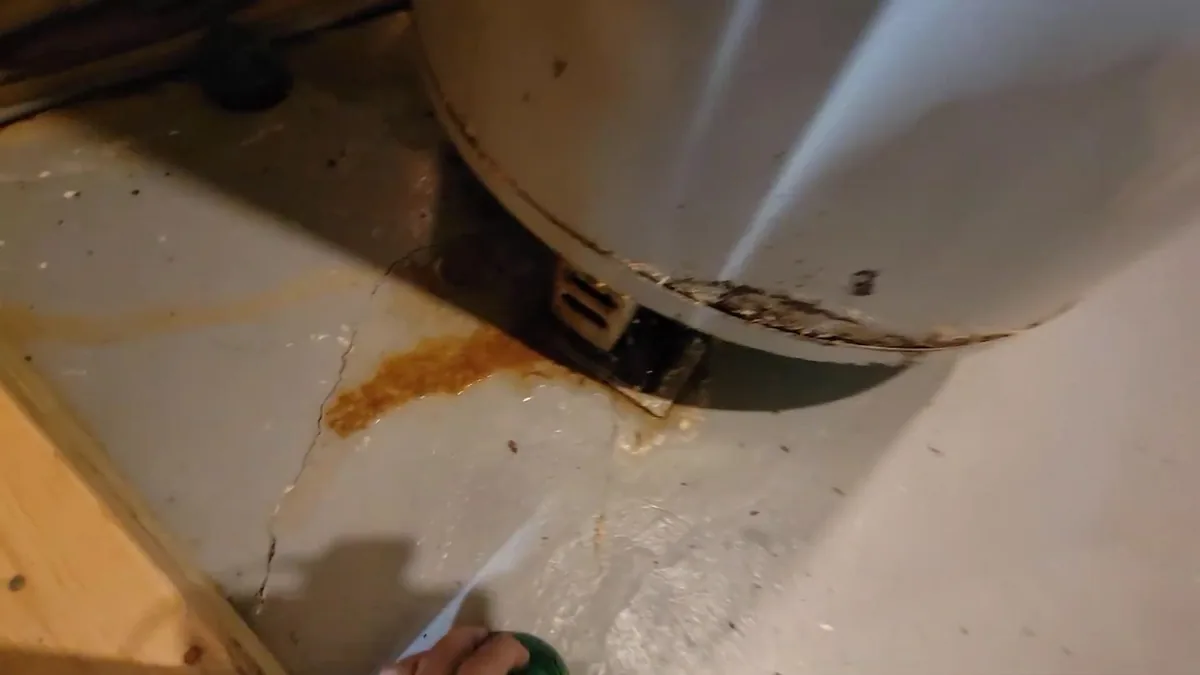
Rust-colored hot water, water pooling at the base, a heater that rumbles from sediment and a rising gas or electric bill are the other signs. A leak from a fitting or valve can be repaired, and the water heater repair covers how to tell. A leak from the tank body cannot, because the steel has failed. The water heater replacement then becomes the job, and it is better planned than done in a flood.
Heater leaking or past its age? Call and describe the tank, the fuel and where it sits.
Call (626) 687-0217A heater that has already flooded a garage or closet changes the order of work. Close the cold supply valve at the heater, turn off the fuel or power, then call. Wet insulation, damaged drywall and standing water need drying quickly, and water damage and mold testing handles that side. The plumber should install the new heater only once the leak is stopped and the area is safe to work in.
Choosing a size and fuel
Sizing a water heater is about how much hot water the household uses in its busiest hour, not only how many people live there. The first-hour rating on the yellow EnergyGuide label matters more than the gallon count. A four-person household with back-to-back showers and a dishwasher may need a larger tank than the one that failed, or a faster-recovering unit. Tell the plumber when your hot water runs out.
Switching fuel is possible but adds work. Moving from electric to gas needs a gas line, a vent and a permit, and the gas lines explains that side. Moving to a tankless units alters the size of the gas line and the venting. Tank versus tankless is a choice about space, cost and hot water habits, and a plumber should lay it out before ordering anything.
Two heaters in one home, one in a garage and one in an attic or closet, are replaced one at a time or together. Replacing both at once saves a second visit, but a heater that still works may serve a bathroom that rarely uses it. Ask whether one unit can be removed and the area served from the other.
The dispatch details covers failed heaters at night or on a weekend.
Questions about water heater installation in Arcadia
Do I need a plumber for water heater installation?
Yes for most homes. A water heater involves gas or electricity, water pressure and a relief valve, and it has to be strapped and vented correctly. A licensed plumber also knows whether a permit applies. Calls to our dispatch line go to a plumber serving your address, and license details come on request before work starts.
What should I do if my water heater flooded the room?
Close the cold supply valve to the heater, switch off the gas or the breaker, then call. Keep electrical equipment away from the water. Wet drywall and insulation should be dried within a day or two, so ask about water damage restoration as well. The new heater goes in once the area is safe.
Can two water heaters be replaced at the same time?
Yes. Doing both in one visit saves a second trip and often a second permit inspection. Before agreeing, ask whether both are still needed, since one unit sometimes serves a bathroom that could be fed from the other. The plumber should price each heater, its connections and its strapping separately.
My electric water heater is leaking. Can it be repaired?
It depends where the water comes from. A leak at a fitting, a relief valve or an element gasket can often be repaired. A leak from the tank body means the steel has failed and the heater must be replaced. Switch off the breaker and the cold supply first, then have a plumber check which it is.
How do I choose the right size water heater?
Use the first-hour rating on the EnergyGuide label, not just the tank size. It tells you how much hot water the unit delivers in a busy hour. Count your peak demand: simultaneous showers, a dishwasher and laundry. A plumber can compare your usage with the old heater and recommend a size that fits the space.