Water Softener Installation in Arcadia, CA: Test the Water, Then Treat It
Scale on every fixture points to hard water. Call, and a plumber tests your tap and recommends a softener, filter or reverse osmosis system.
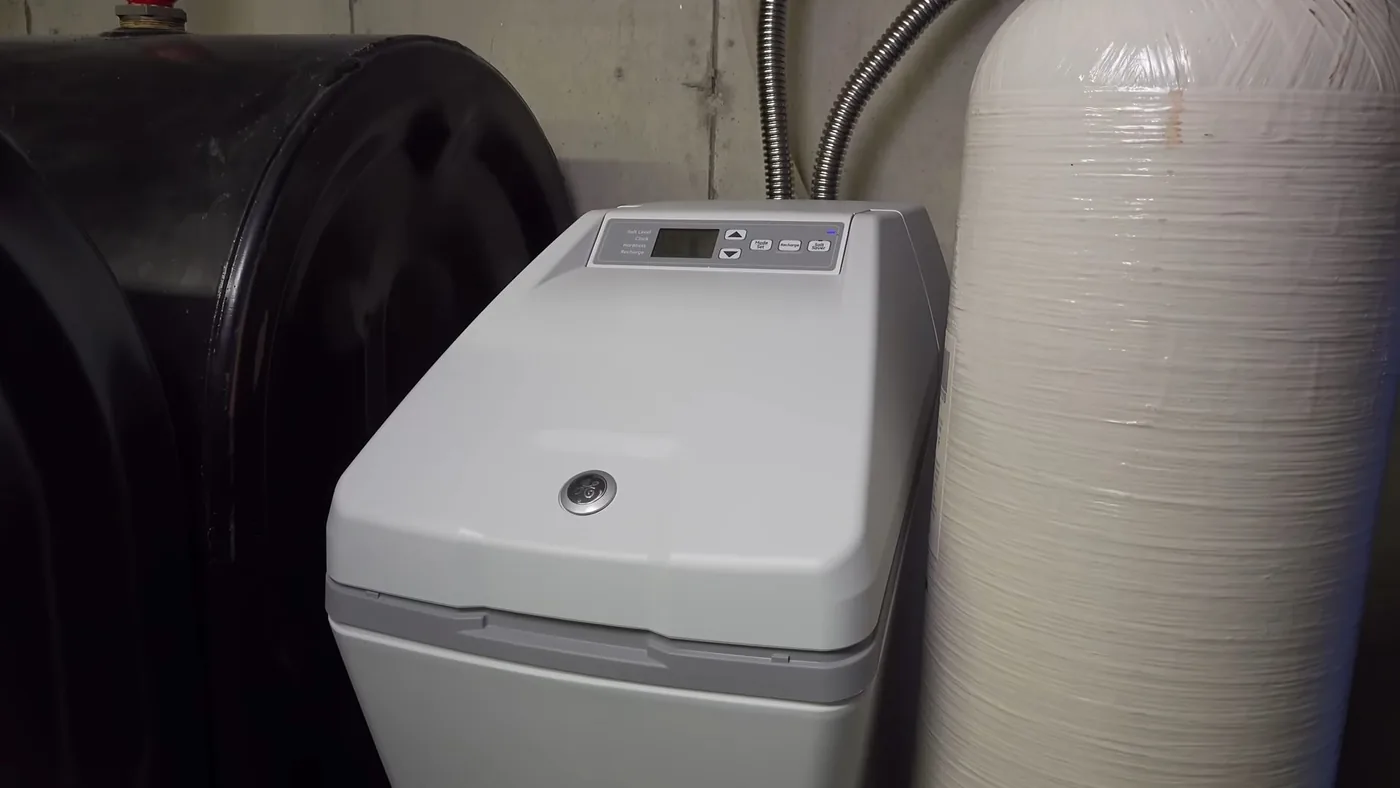
Water in Arcadia comes from groundwater, and groundwater carries minerals. The City of Arcadia’s 2025 report gives hardness of 210 mg/l as CaCO3, across a wide reported range from 23 up to 340, and Golden State Water’s South Arcadia system reports an average of 160 mg/L in a range of 110 to 200. Your figure depends on which supplier serves your address, and your water bill shows which one that is. Either way, the minerals leave scale on fixtures, heaters and heating elements.
| Supplier | Hardness as CaCO3 (2025 data) | What to do |
|---|---|---|
| City of Arcadia | 210 mg/l average, reported range 23 to 340 | Check the City water quality report for your area |
| Golden State Water, South Arcadia | 160 mg/L average, range 110 to 200 (9.4 grains per gallon average) | Check the Golden State report, and look at your bill to see who supplies you |
This page covers softeners, filters and reverse osmosis: what each one does, how it is installed and what goes wrong. They are different tools. A softener removes the minerals that cause scale. A filter removes particles, chlorine taste or other things depending on the media. Reverse osmosis cleans drinking water at one tap. Choosing between them starts with knowing what you want to fix.
Water softener installation in Arcadia: what a plumber sets up
A water softener installation is done where the main water line enters the house, before the water heater, so that soft water reaches the heater and the fixtures. The plumber cuts into the main, adds a bypass valve, connects the inlet and outlet of the softener and runs a drain line for the regeneration water. Outdoor hose bibs are usually left on hard water by adding a branch ahead of the unit.
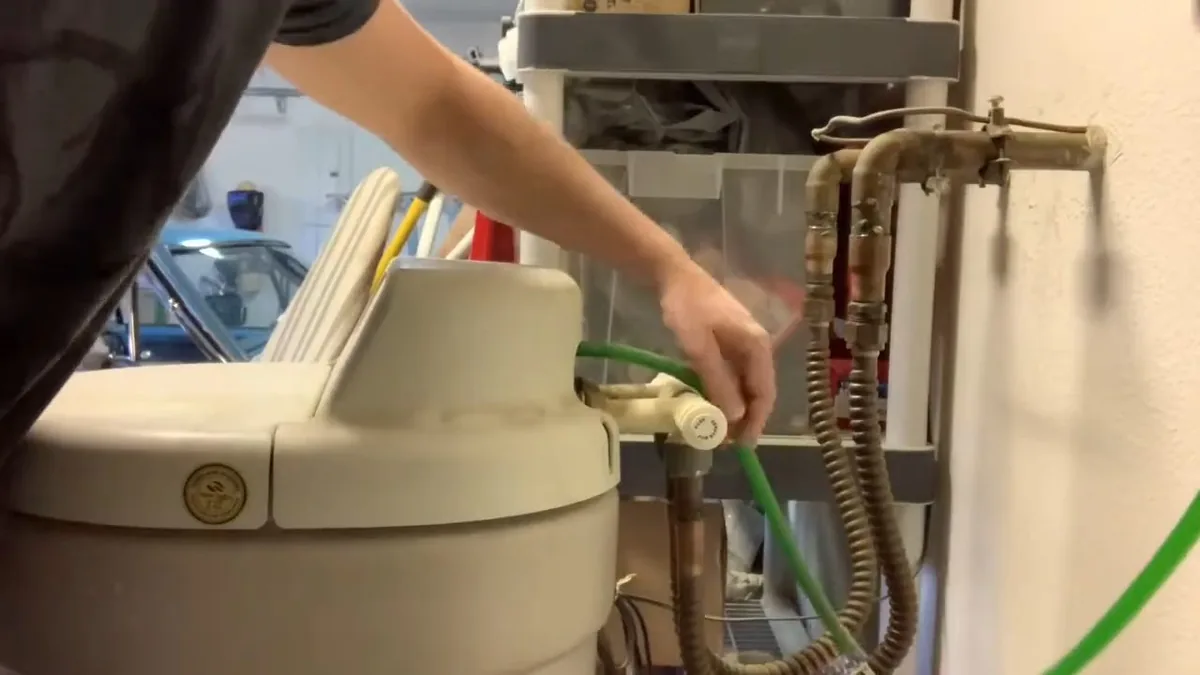
Space and power matter. A softener needs a level pad, an outlet for the control head and a drain within reach, such as a floor drain or a standpipe. The brine tank holds salt, so it should be where you can reach it. The plumber programs the hardness setting, and your supplier’s report gives the starting number. Ask who sets the regeneration schedule and how to change it.
Do you need a softener? Hard water signs and how to test
Hard water leaves white crusty scale on faucets and shower heads, spots on glasses, a film on shower doors and soap that does not lather. Inside the pipes and the water heater, the scale insulates heating surfaces and narrows passages, which shortens the life of appliances. The water heater troubleshooting explains how the scale builds on a tank and what it sounds like.
Testing is easy. Water test strips from a hardware store show hardness in grains per gallon, and a plumber can test it on the spot. Compare the result with the supplier figure above. Hardness may differ from one part of the city to another, so test your own tap. A reading near 10 grains per gallon is within the range the Golden State report shows.
Water conditioning is the general term for treating water for a purpose. A salt-based softener exchanges the hardness minerals for sodium or potassium and is the usual choice for scale. Non-salt conditioners change how scale forms without removing it, and results vary, so ask the plumber what a product claims and what it does not. Be wary of any claim that a device cures all water problems.
Water softener repair in Arcadia: salt bridges, valves and resin
Softeners fail in a few ways. A salt bridge is a crust that forms in the brine tank and stops the salt from dissolving, so the unit stops softening even though salt appears to be present. A stuck control valve, a failed motor or a clogged injector can stop regeneration or send hard water through. A leak at the bypass or the drain line is another service call.
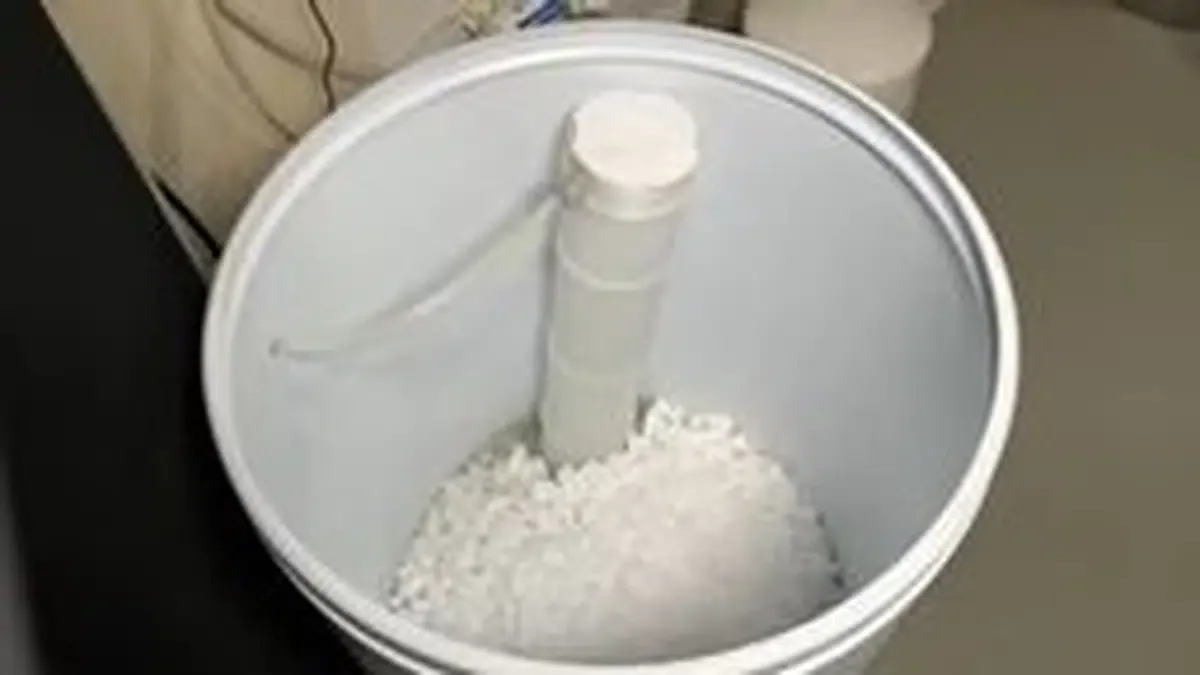
Signs the softener has stopped working are the return of scale and soap film, salty water or a unit that runs constantly. A plumber checks the hardness of the water before and after the unit, looks at the salt level and runs a manual regeneration to see what happens. Resin beads wear out over many years and, once exhausted, no longer exchange minerals. Replacement may be cheaper than a rebuild on an old unit.
Ask how salt is handled: regeneration uses brine, which is flushed to the drain, and the salt has to be topped up regularly. Use the salt type the manufacturer recommends. Valve replacement or reinstalling a unit after a remodel is a plumbing job; the plumber makes sure the bypass, drain and connections are sound.
Scale on every fixture, or a softener that stopped working? Call and tell us what the water leaves behind.
Call (626) 687-0217Under-sink and drinking water filter replacement in Arcadia
An under-sink filter treats the water at one tap, usually the kitchen, with a cartridge that catches sediment and carbon-treated taste and odor. The cartridge wears out, and a filter that is not changed can slow the flow or pass what it was meant to catch. Water filtration maintenance is mostly a schedule: change the cartridge when the manufacturer says, or sooner if the flow drops.
The plumber installs the filter housing on the cold supply, adds a shutoff and sets a dedicated faucet or ties into the existing one. Ice machines and refrigerator lines can have their own filters. Ask for the cartridge part number and write the change date on the housing, so the next change is not a guess. Sediment filters are rated in microns, and a lower number catches finer particles.
Reverse osmosis: how an under-sink system works
Reverse osmosis pushes water through a membrane that holds back most dissolved solids, and the system adds carbon filters before and after. The result is a small stream of treated water to a dedicated faucet, with a tank under the sink that stores it. Waste water goes to the drain, so the plumber installs a drain saddle on the sink drain.
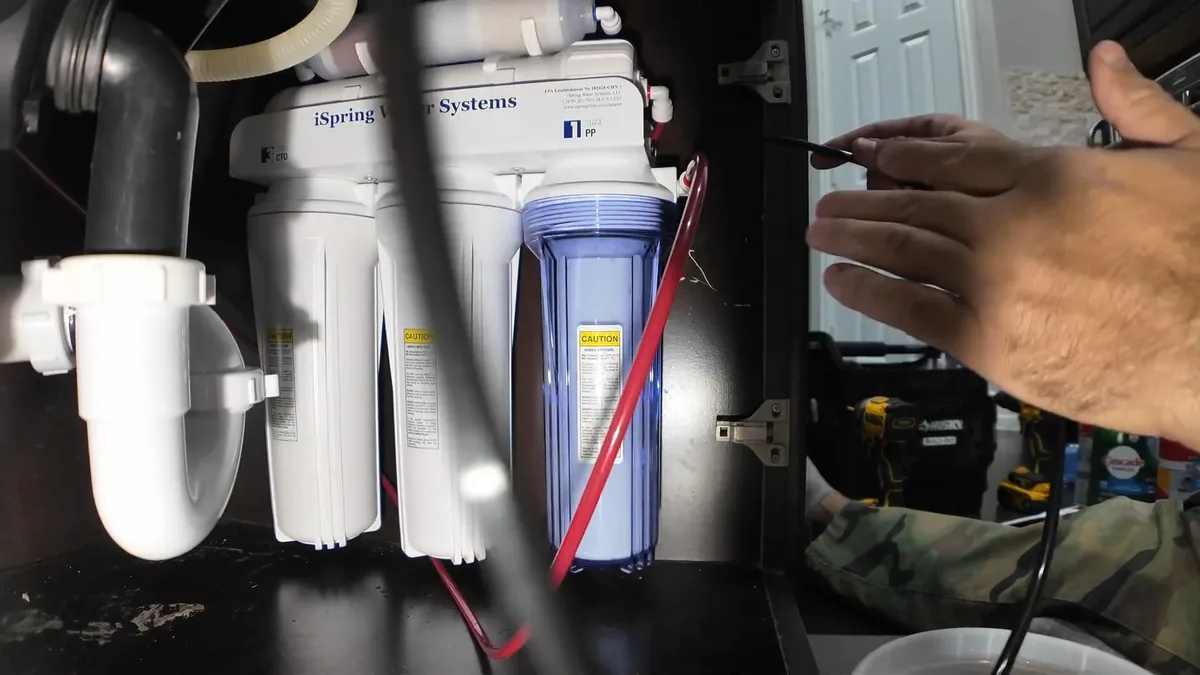
An RO unit does not soften water for the house; it treats the drinking and cooking supply only. Reverse osmosis installation takes a few hours, and the membrane and filters are changed on a schedule. Ask the plumber what the system removes, what the waste ratio is and how often to change each stage. Tankless RO systems and whole-house RO exist, but they cost more and need more space.
Whole-house water filtration: sediment, carbon and what each removes
A whole-house water filter treats everything that enters the building. A sediment filter at the main catches sand, rust flakes and grit, and protects fixtures and appliances. A carbon filter reduces chlorine taste and odor across the house. Both are cartridges or tanks that wear out, and the plumber sizes them to your flow so water pressure does not drop.
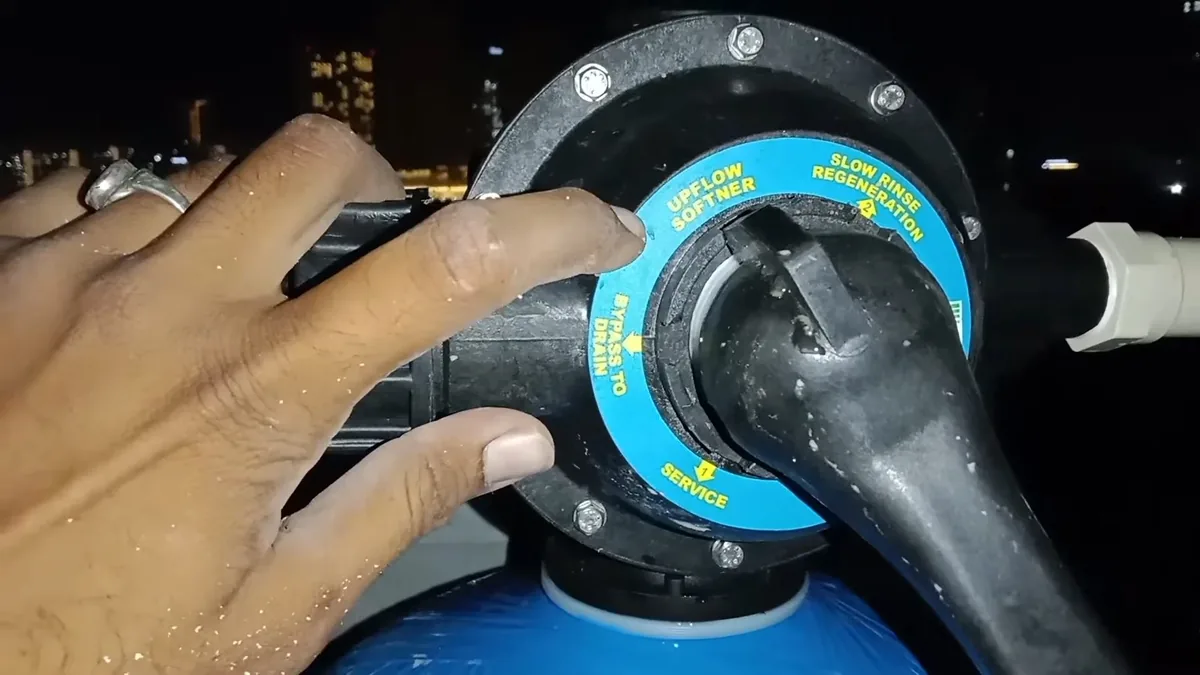
The question to ask before installing any whole-house system is what problem it is meant to fix. A softener, a sediment filter and a carbon tank each do different work, and a plumber can combine them in sequence. Filters belong ahead of the softener in most layouts, so grit does not foul the resin. A bypass valve lets you service them without shutting off the house.
Maintenance is the common thread. Salt, cartridges and membranes all need replacement, and a unit that is neglected stops working without a sign. Ask for a written service schedule when the system goes in. Whether a visit can happen the same day is explained on the main Arcadia page.
Questions about water softener and filtration in Arcadia
How does salt, brine and regeneration work in a water softener?
The softener holds resin beads that trap hardness minerals. Over time the beads fill, so the unit regenerates: it flushes them with brine made from the salt in the tank, which sends the minerals down the drain, then rinses. Salt has to be topped up regularly, and the control head sets when regeneration runs.
How do I know if I have hard water?
Look for white scale on faucets and shower heads, spots on glasses, a film on shower doors and soap that does not lather. A test strip shows hardness in grains per gallon. Compare it with your supplier’s report, since the City and Golden State report different figures, and your bill shows which supplies you.
What is water conditioning, and is it the same as softening?
Conditioning is a broad term for treating water for a purpose. A salt-based softener removes hardness minerals. Non-salt conditioners change how scale forms without removing the minerals, and results vary. Ask the plumber what a product claims, what it does and what it does not do.
Can a water softener control valve be replaced?
Yes. A stuck or leaking valve, a failed motor or a worn injector can often be replaced without replacing the tank. A plumber can also reinstall a softener after a remodel, reconnecting the bypass, the drain and the inlet. On a very old unit, replacing the whole softener may cost less than a rebuild.
My water conditioner stopped working. What should I check?
Check the salt level and look for a salt bridge, a hard crust that stops salt dissolving. Make sure the unit has power and the bypass is open. Run a manual regeneration. If scale and soap film return anyway, a plumber can test the water before and after the unit and find the fault.