Emergency Slab Leak Detection in Arcadia, CA: Warm Floors and Water You Can Hear
A floor that feels warm, or water you can hear with every tap off, can mean a leak beneath the slab. Call, and a plumber locates it before anything is cut.
The usual belief is that a slab leak announces itself with a puddle. Often it does not. Water escaping under a concrete floor can run off into the soil beneath the slab and never reach the surface, so the first clues are a rising bill, the sound of running water at night or a floor that feels warm underfoot. By the time a stain appears on the flooring, the leak may have been running for weeks.
The ground under a house is not something a homeowner can inspect, which is why a slab leak needs a plumber who can locate it with equipment and then explain the options in plain terms. The sections below cover what the concrete does and does not mean for the repair, the three ways a leak is usually fixed, and how it is found before anyone cuts the floor.
Foundation and concrete: what a slab leak changes and what it does not
A slab leak is a leak in a water line that runs beneath or through the concrete floor slab of a house. It is not a crack in the slab itself, although slab leaks affecting home foundations can matter: a long-running leak can wash out soil under the slab and, in the worst cases, affect the support around it, which is why a foundation leak inspection looks at the floor as well as the pipe.
Most slab leaks never reach that stage, and a plumber who finds one early is dealing with a pipe problem, not a structural one.
Many Arcadia homes are decades old, since the median was built in 1965 (ACS 2024 5-year), and the supply lines in them are often as old. The Census counts 5,541 housing units built in the 1950s and 3,443 in the 1960s in Arcadia, so slab leaks in midcentury construction are a question of pipe age as much as foundation. Ask the plumber what the leaking line is made of and how many other sections of that line are accessible, because the answer shapes the repair choice more than the concrete does.
The City of Arcadia does list plumbing permit categories in its monthly permit reports. A simple leak repair is listed as exempt in the Building Services FAQ, but larger work such as rerouting a line may not be, so check with the Building Services Division on (626) 574-5416 before the floor is opened.
Emergency slab leak repair in Arcadia: three ways to fix it
Once the leak is located, the repair falls into three families. The right one depends on how many leaks the line has had, whether the pipe can be reached from above and how much of the system is aging. A plumber should explain why a method fits, not just name it, and should tell you what it does to the floor and the walls.
| Method | What it involves | When it tends to fit |
|---|---|---|
| Spot repair through the slab | Opening the concrete over the leak, repairing the pipe and patching the floor | One leak, a reachable location and a line otherwise in sound shape |
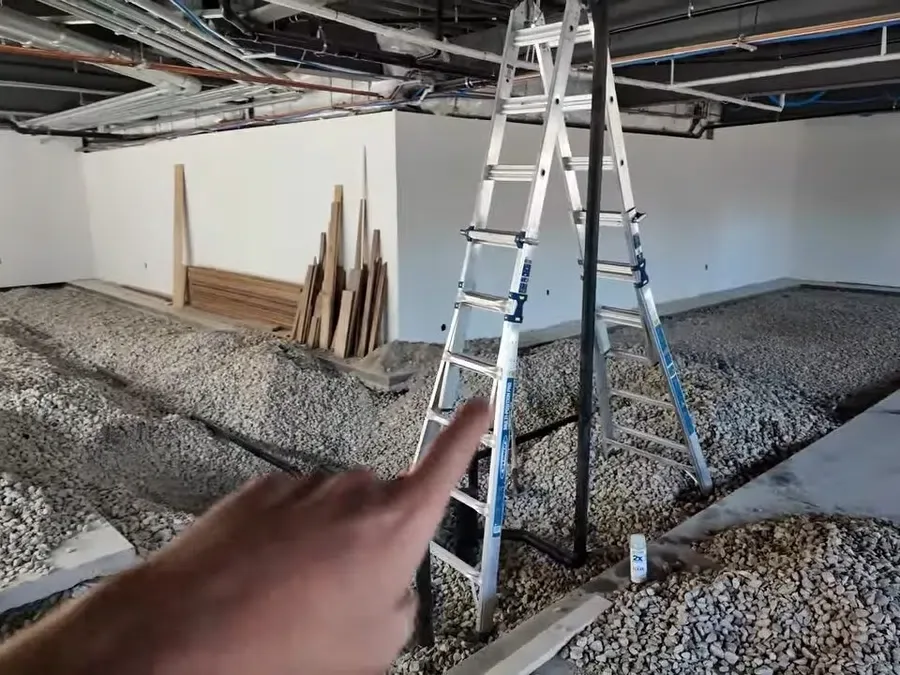
| Reroute | Abandoning the leaking line under the slab and running a new line through the attic or walls | Repeat leaks, a line that is hard to reach or flooring that is costly to open |
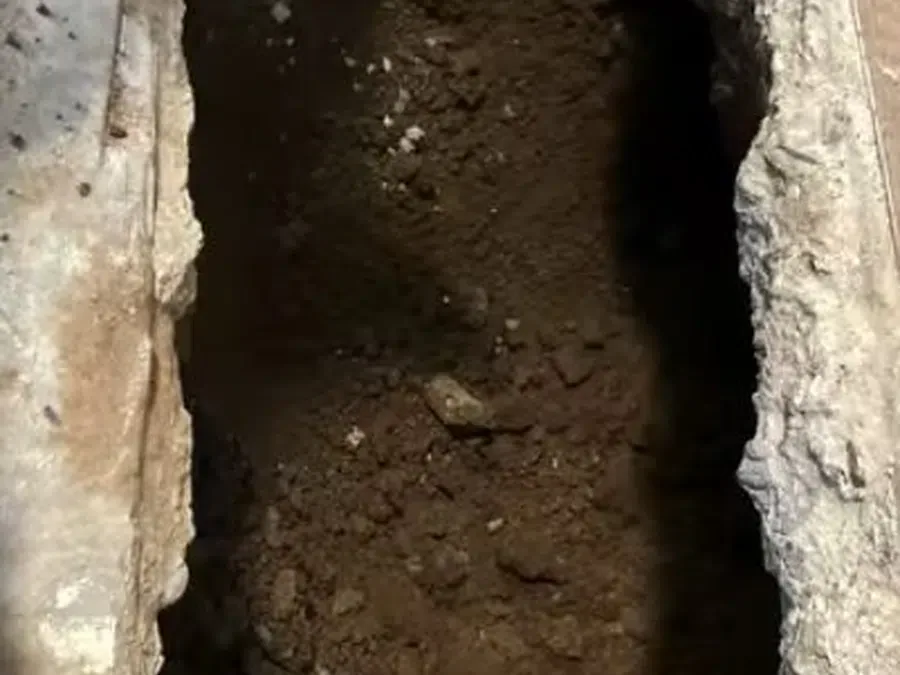
| Tunnel under the slab | Digging a tunnel from outside to reach the pipe without breaking the floor, where access allows | Where the leak lies near an exterior wall and flooring is costly to open |
| Epoxy lining or repipe | Coating the inside of the line, or replacing the whole supply system | Several leaks along one line, or a system that is wearing out as a whole |
None of these is always cheaper or always better, and a trenchless slab leak repair is only possible where the layout lets a tunnel or liner reach the pipe. A spot repair keeps the cost of the visit low but leaves the rest of the line as it was, while a reroute or repipe costs more now and removes the buried section from the picture. The repiping an older home explains the whole-house option, and the price factors for each approach are listed on the quote guide, without figures.
Hot spot on the floor or a bill that keeps climbing? Call and describe it to the dispatcher.
Call (626) 687-0217How do plumbers locate a hidden slab leak before cutting concrete?
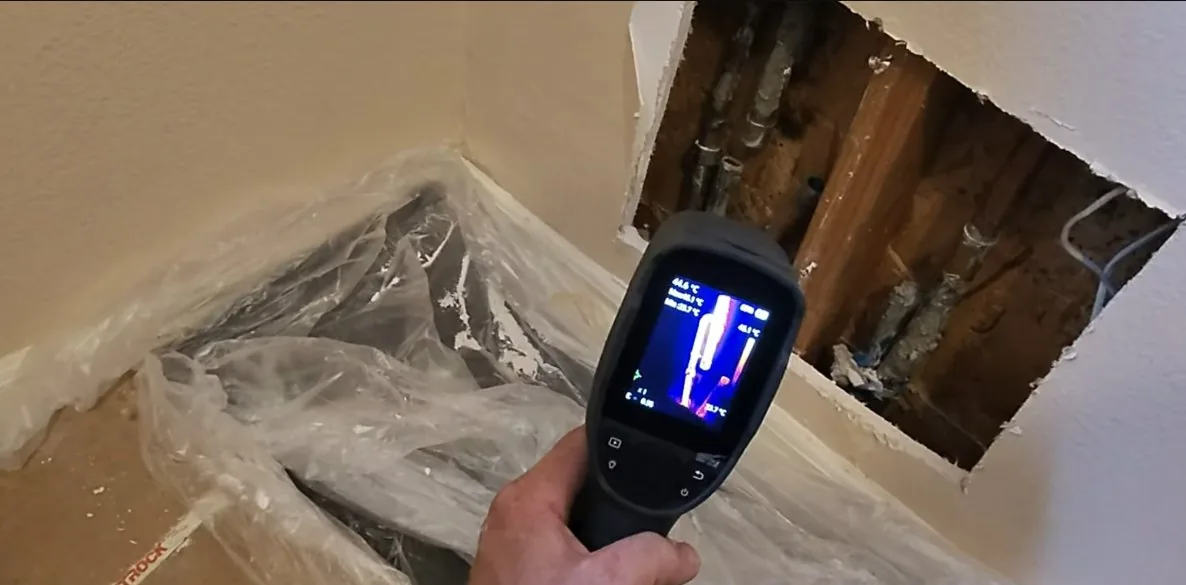
Location comes first. A plumber confirms the leak with a meter test, then isolates the line where the leak is likely to be by closing sections or pressure testing them. Acoustic listening equipment then picks up the sound of escaping water through the floor, and thermal imaging can show warmth from a hot water line. The goal is a mark on the floor within a few feet, so the opening in the slab is small.
Ask for the result to be shown to you: where the mark is, which line it belongs to and what the test showed. If the plumber cannot say how the location was confirmed, ask for a second reading before agreeing to cut.
Signs of a slab leak to report to the dispatcher
- Warm or hot spots on a floor, especially in one area.
- Running water heard with every fixture off.
- A bill that climbs while household habits stay the same.
- Damp or discolored flooring, baseboards or carpet near one wall.
- Low hot-water pressure at some fixtures but not others.
Why fixing it matters
The benefits of slab leak repair are plain: the water stops being wasted, the flooring and the soil under the slab stop taking damage, and the bill returns to normal. A leak in a drain line under the slab is a different problem, which is the sewer side of the house, and the drainage solutions for it are covered under sewer line problems.
Insurance and documentation
Homeowner policies treat water damage in different ways, and some separate the cost of reaching a leak from the cost of repairing the pipe. We cannot tell you what your policy covers, so ask your insurer before work starts, and ask the plumber for a written finding that names the location, the cause and the repair. Photographs of the floor and meter readings taken before and after help any claim. A slab leak consultation visit should end with that written finding, and you should not be asked to sign for work before you have it.
If water has already reached flooring or walls, the clock for drying matters. County risk management guidance on water intrusion sets a 24 to 48 hour window for drying, and the guidance applies to clean water alone, so ask about water mitigation promptly. A broader leak search that does not involve the slab is on the leak finding and repair.
Questions about slab leak detection and repair in Arcadia
What are the signs of a slab leak?
Common signs are floor that feels warm underfoot, running water heard with every fixture off, a rising water bill and damp flooring near one wall. None proves a leak by itself. A meter test with everything shut off is the first check, and a plumber can then confirm and locate the leak with equipment.
What does a slab leak look like from inside the house?
Often nothing is visible at first. Later you may see damp or discolored flooring, lifting laminate, a musty smell or a stain along a baseboard. Because the water can drain into the soil under the slab, the lack of a puddle does not rule a leak out.
What decides the price of a slab leak repair?
The method, the depth and location of the leak, how much flooring or concrete must be opened, whether the line is reachable from above and whether the rest of the line is failing. A plumber should explain each factor and confirm the price on site. Our cost page lists the factors without quoting figures.
Does insurance cover a slab leak?
It depends on the policy. Some cover sudden water damage but not the pipe itself, and some limit the cost of reaching the leak. Ask your insurer before work begins, keep photographs and meter readings, and ask the plumber for a written finding that names the cause and location of the leak.