Water Heater Repair in Arcadia, CA: Check What Failed Before You Replace It
No hot water does not always mean a dead tank. Call, and a plumber finds the failed part and explains whether to repair or replace.
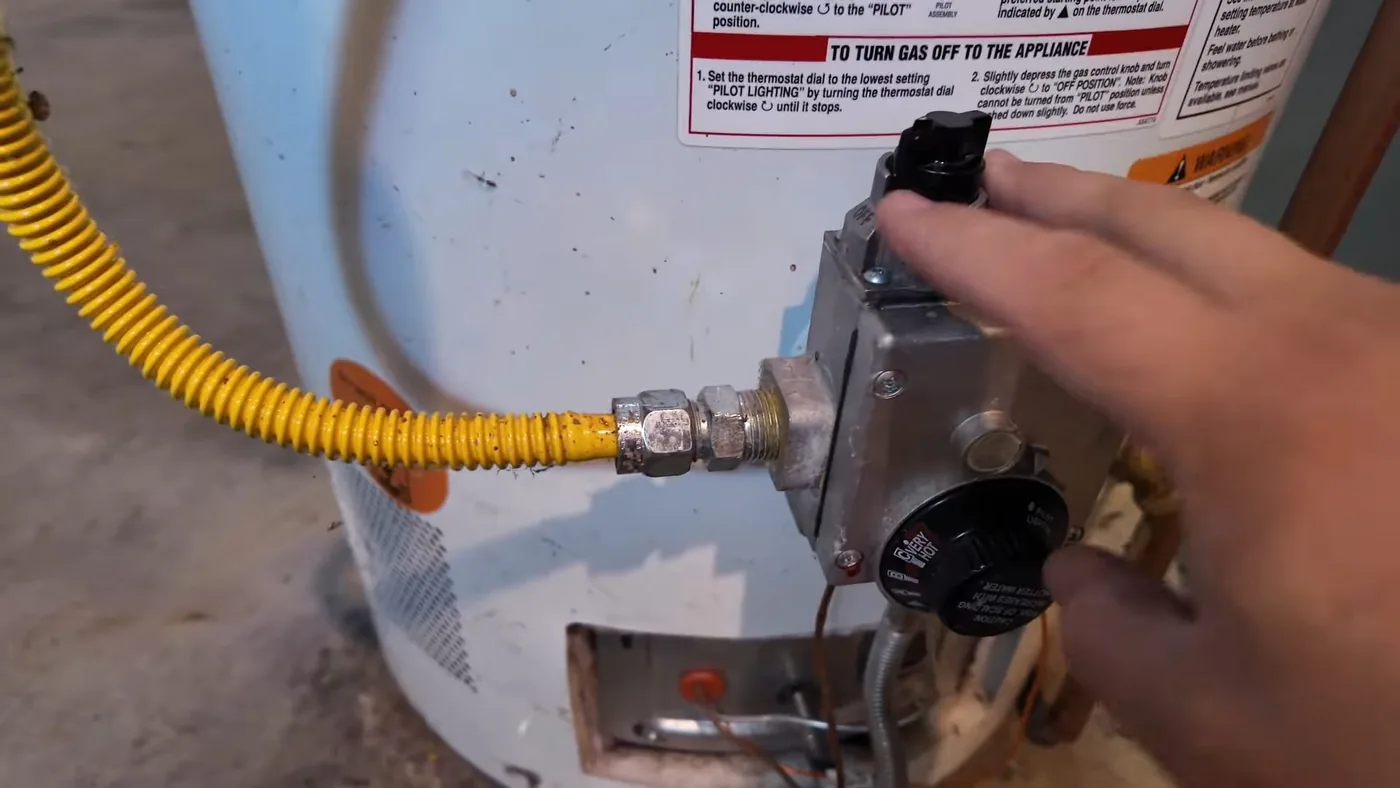
When the shower runs cold, most people decide the water heater has died and start shopping for a new one. Often it has not. A tripped breaker, a pilot that blew out, a failed thermostat or a burned-out heating element can each leave a sound tank without hot water, and each is a repair, not a replacement. The first job of a service visit is to work out which kind of failure you have.
The answer changes with the fuel, the age of the tank and what the water is doing to it. The sections below sort the common failures, explain what hard water does to a tank, and give you the questions that decide between repair and replacement.
Gas versus electric water heater repair: what fails and how to tell
A gas water heater heats with a burner at the bottom of the tank, lit by a pilot flame or an electronic igniter, and controlled by a gas valve and thermostat. An electric heater uses one or two heating elements and a thermostat for each. The failures differ, so the first question a plumber asks is which kind you have.
| Symptom | Gas heater: likely causes | Electric heater: likely causes |
|---|---|---|
| No hot water at all | Pilot out, igniter or thermocouple failed, gas supply off | Tripped breaker, failed upper thermostat or element, reset switch tripped |
| Lukewarm water | Sediment on the bottom of the tank, thermostat set low, failed gas valve | One element burned out, thermostat drift |
| Hot water runs out fast | Sediment, a broken dip tube | Lower element failed |
| Rumbling or popping | Sediment boiling under the burner | Sediment on elements |
| Water around the base | Leaking tank, loose fitting or relief valve discharge | Leaking tank, loose fitting or relief valve discharge |
Gas lines and connections are covered on the gas piping, and the plumber should keep that work separate from the heater itself. For an electric heater, turn off the breaker before anyone opens a panel on the tank.
Why hot water runs out sooner than it used to
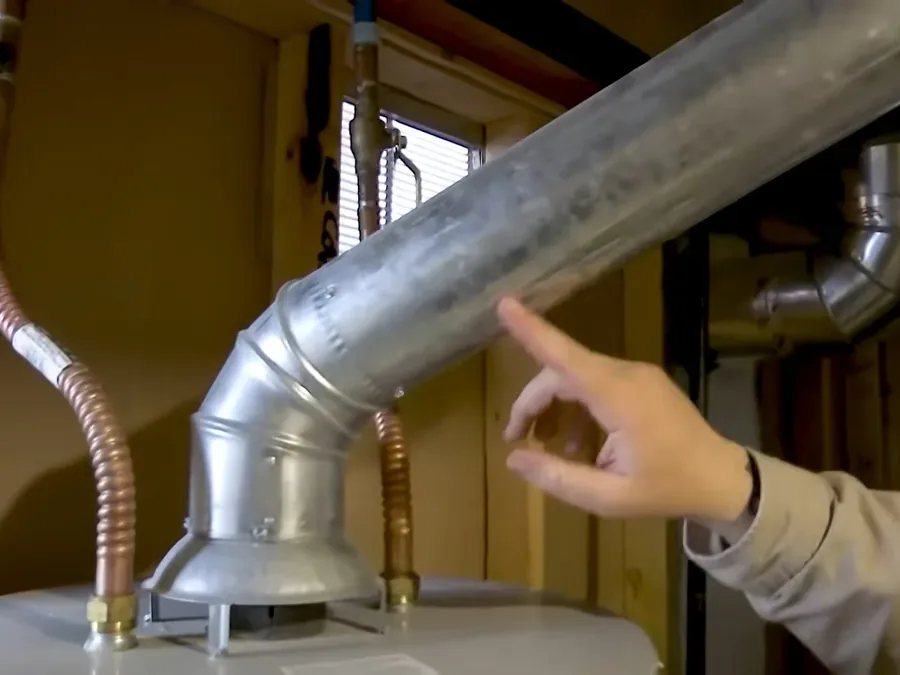
Sediment is the usual reason. Minerals settle on the bottom of the tank, insulate the water from the burner or the lower element, and make the heater work harder for less hot water. The popping or rumbling you hear is water trapped under the sediment boiling off.
Hardness decides how fast it builds. For 2025 the City of Arcadia reports hardness of 210 mg/l as CaCO3 (reported range 23 to 340), while Golden State Water’s South Arcadia system averages 160 mg/L, which is 9.4 grains per gallon. Your bill names the supplier at your address. Water in that range leaves scale, so a tank in either area benefits from attention to sediment.
Cold showers, a rumbling tank or water around the base? Call and describe what the heater is doing.
Call (626) 687-0217Flushing and maintenance
Flushing a tank means draining part of the water through the drain valve to carry out sediment. It is a job to ask a plumber about, not to start without guidance: the water is hot enough to scald, the drain valve on an older tank can fail when opened and the gas or power must be off while the tank drains. Ask the plumber to flush it during a service visit, to check the anode rod and to look at the temperature relief valve and its discharge pipe.
A leaking tank
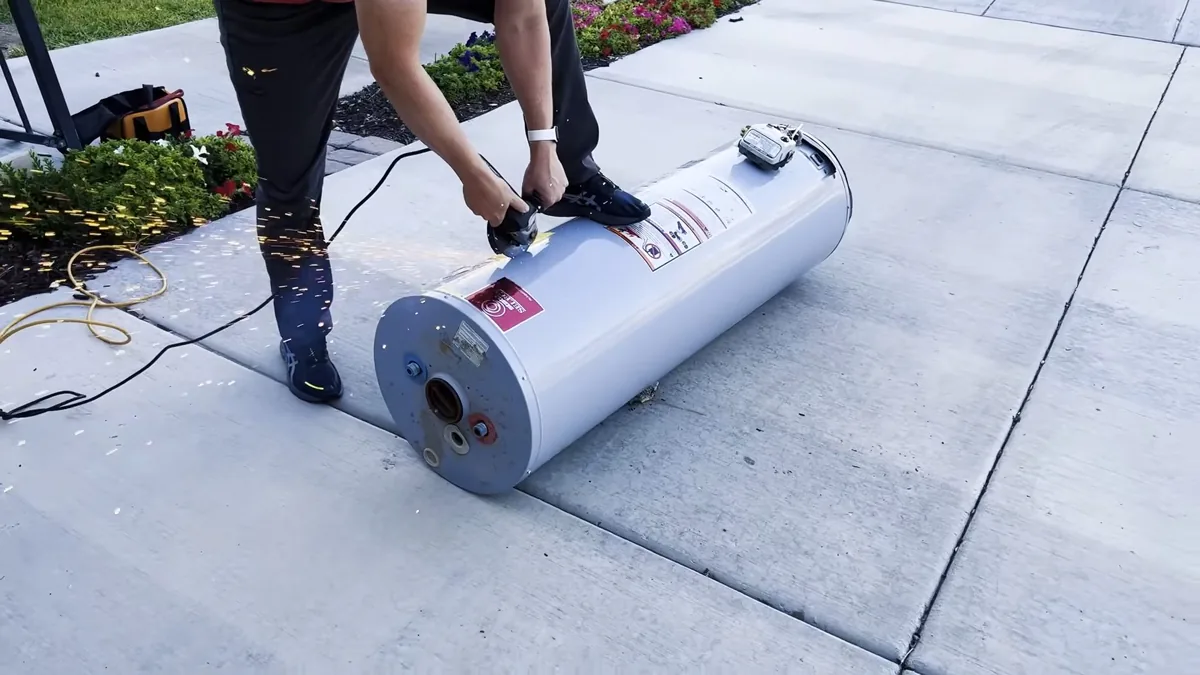
Leaks around the unit, from a fitting, a valve or the base, are the first thing to sort out: appliance water heater leaks can be repaired when they come from a fitting or valve. A leak from the tank itself cannot, because the steel shell has corroded through, and the heater needs replacing. Turn off the cold water supply to the heater and the gas or power, place a pan or towels, and call.
A tank that is leaking steadily should be treated as an urgent call, since the water will spread to flooring and walls; water damage response handles drying if the leak ran long.
How long a leaking heater can wait depends on how fast it leaks, where the water goes and whether it reaches electrical equipment. Shut off the supply and the fuel, and do not wait for the next visit window.
Repair or replace: the questions that decide it
- How old is the heater? The serial number usually encodes the date, and the plumber can read it.
- Is the tank itself leaking, or is the leak at a fitting or valve?
- What does the repair cost compared with a new unit, and what does the warranty on each cover?
- Has the heater needed more than one repair in the past year?
- Does the replacement need to be strapped and permitted?
California Health and Safety Code 19211 requires new and replacement water heaters, and existing residential ones, to be braced, anchored or strapped against earthquake movement. The City of Arcadia lists Water Heater permits in its monthly permit reports, so ask the Building Services Division, (626) 574-5416, whether a replacement needs one. The tank water heater replacement covers the replacement side.
Thermostat and element problems on an electric heater, strange noises and an igniter or pilot that will not stay lit are all repairs a plumber can usually do in one visit. Also covered: no hot water, a pilot that keeps going out and a burner that will not fire. If hot water is the only problem and the plumber says a repair cannot work, ask what failed and why.
How same-day and after-hours heater calls work is set out on the dispatch details.
Questions about water heater repair in Arcadia
How long does a tank water heater last, and when should I replace it?
Tank heaters wear out gradually, and age is only one factor. Hard water, sediment and a corroded anode rod shorten the life of a tank. A plumber can read the serial number for the age, check the tank and tell you whether a repair is worth the cost or a replacement makes more sense.
Who do I call to fix a water heater?
Call a plumber, since a heater involves gas or electricity, water and a pressure relief valve. The dispatch line passes the call to a plumber who covers your address. If there is a smell of gas, get out of the house and dial SoCalGas on 1-800-427-2200 first.
How long can a leaking water heater wait?
Not long. A leak from a fitting may be slow, but a leak from the tank itself will worsen. Shut off the cold supply and the gas or power, catch the water, and call. If the water reaches walls or flooring, the drying window of 24 to 48 hours applies.
Why is my water heater making noise?
Rumbling or popping usually means sediment under the burner or on the lower element, where trapped water boils. Hissing may be a small leak. A plumber can flush the tank and check the elements or burner. Banging in the pipes is usually a separate issue.
Does hard water shorten the life of a water heater?
It can, because it leaves scale on the bottom of the tank and on heating elements. The City of Arcadia reports hardness of 210 mg/l as calcium carbonate and Golden State Water reports an average of 160 mg/L, so check which supplier you have and ask about flushing.