
Water Line Repair and Replacement in Arcadia, CA: Locate Before You Dig
A wet yard, a meter that spins or pressure that keeps falling can mean a leak in the line. Call, and a plumber locates it before digging.
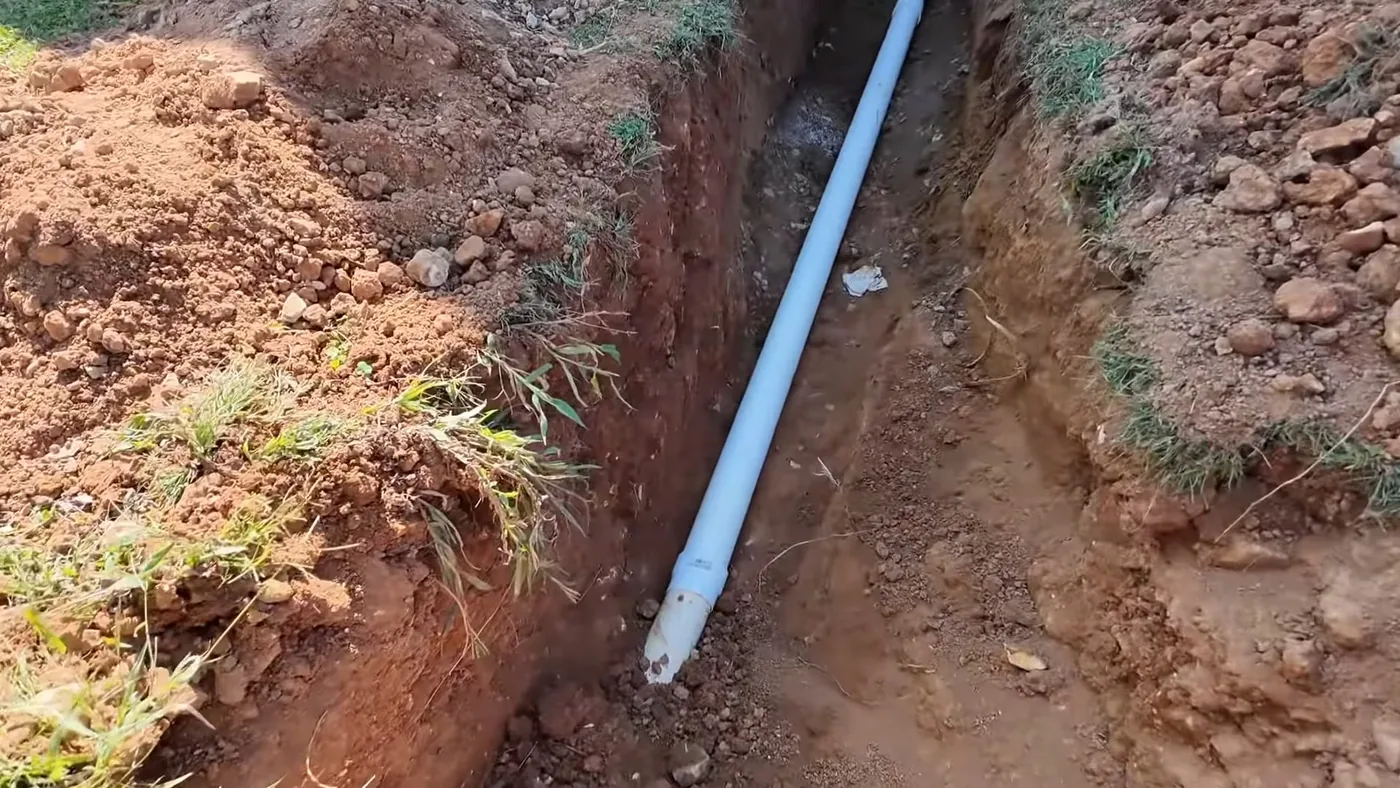
When the water pressure falls, the first guess is usually the fixture, the filter or the water company. Often the cause is the pipe in between: the water line that carries water from the meter to the house, which runs under the yard, the driveway or the planter and cannot be seen. A leak in it can show as a soggy patch, a meter that keeps turning with everything off, or pressure that slowly gets worse.
This page covers the main water line and the service line to the house: how a leak is found, when a repair is enough, and when a replacement saves more than it costs. Who owns which section of the line, the water provider or the property owner, depends on the provider, so ask yours before assuming. Water in Arcadia comes from the City or from Golden State Water, depending on the address.
Where does the water service line run and how is a leak in it found?
The service line starts at the water meter, often in a box near the curb, and runs underground to a shutoff valve at the house. Between the two it passes through soil, under landscaping and sometimes under driveways or walkways. A leak anywhere on that run can wet the ground, lower the pressure or raise the bill without any sign inside the house.
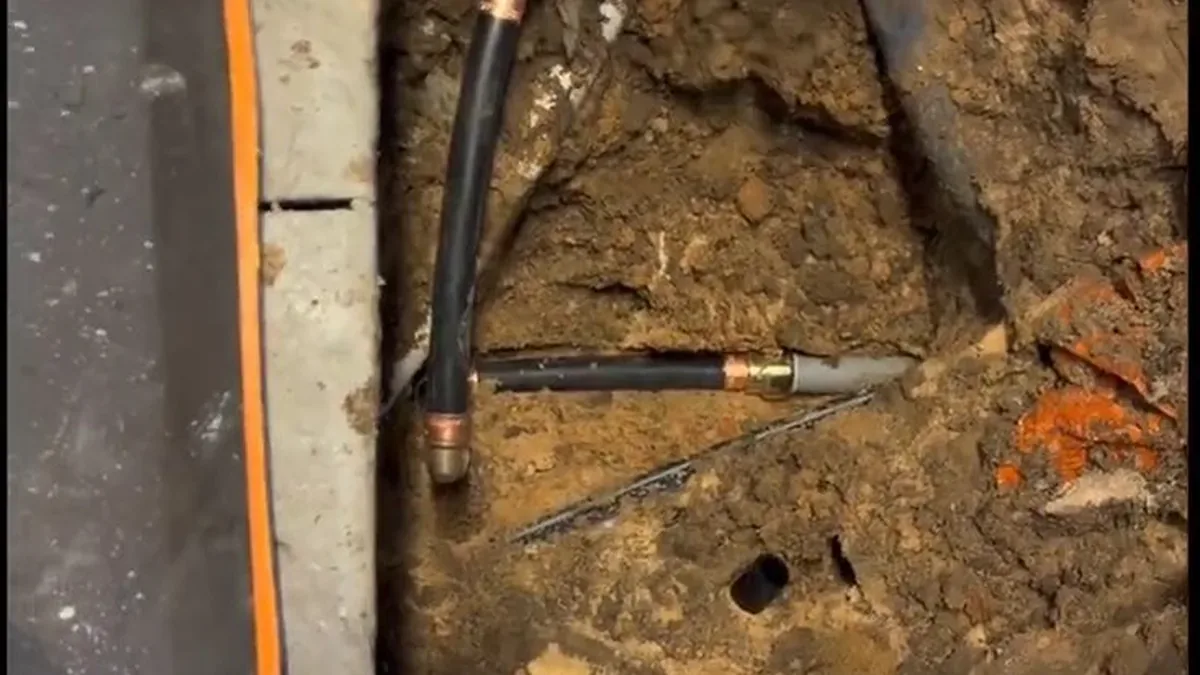
Check the meter first. Shut off every fixture and look at the meter’s leak indicator, a small triangle or dial that spins when water moves. If it turns with everything off and the leak is not inside the house, the loss is on the line between the meter and the house, or at a fixture. Closing the home’s main shutoff and watching the meter again tells you which.
The plumber then locates the leak with equipment, such as an acoustic listening device or a tracer gas, before any digging begins. Finding it first limits the trench to the place that needs repair, and the leak repair explains the methods in detail. A yard or meter-box leak is the most common place, and the plumber can often show you the wet spot after finding it.
The General Plan EIR describes alluvial fan deposits under the city, with low shrink-swell and low corrosivity, and groundwater deeper than 100 feet in most areas. Those facts say little about any one pipe, so the plumber looks at the line itself: its age, its material and its pressure history. Ask what was found at the break, not only what was done.
Should a water line be repaired or replaced?
A single leak on a line that is otherwise sound is a repair. The plumber digs to the break, cuts out the damaged section and joins in new pipe, then backfills and restores the surface as agreed. Water line repair in this case is quick and keeps the cost down, and the line carries on for years.
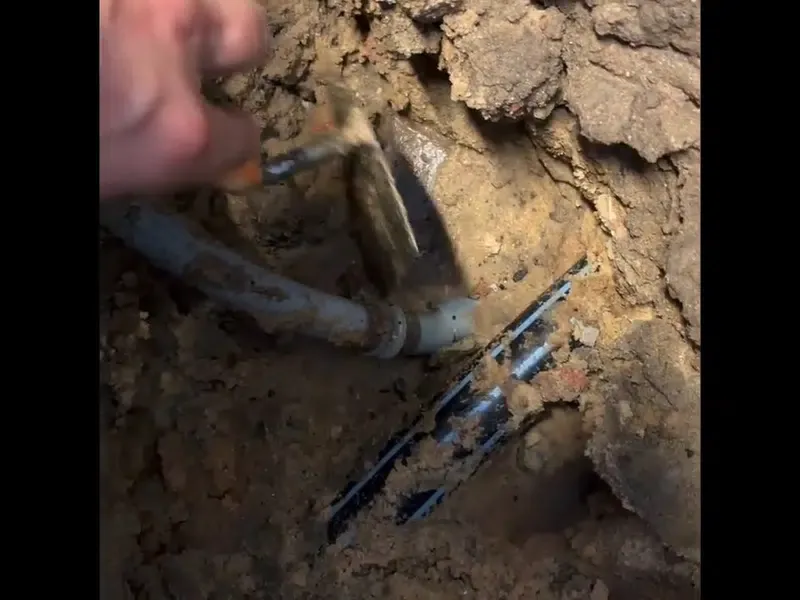
Replacement makes sense when the line has leaked more than once, when the pipe is very old, or when the plumber finds that the pipe wall has thinned along its length. Water line replacement can be done with an open trench, or by pulling a new pipe through the old route with a trenchless method where the layout allows. The method depends on what lies above the line, such as a driveway, a tree or a patio.
Ask the plumber to show you the removed section. Pitting, scale and thin walls are visible, and they tell you whether the rest of the line is likely to follow. A water main repair that is only a patch, with no note on what the pipe looked like, leaves you guessing about the next leak.
A permit may apply. For permits, the contact is Building Services at (626) 574-5416. Nothing published there covers water service lines, so check before work starts. If part of the line is the water provider’s, that part is theirs to repair, and the plumber will tell you where the boundary lies.
Wet ground, a spinning meter or falling pressure? Call and describe where the water shows.
Call (626) 687-0217Wet yard, no pressure or a spinning meter: how a water line is repaired
A wet yard on a dry day is the clearest sign. Look for a patch that stays soft, grass that is greener along a strip, or water bubbling at the meter box. Sinking pavement or a damp crack along a foundation can also point to a line leak. A plumber may find that the leak is at the meter-box fitting, which is a small repair, or along a buried run, which needs a trench.
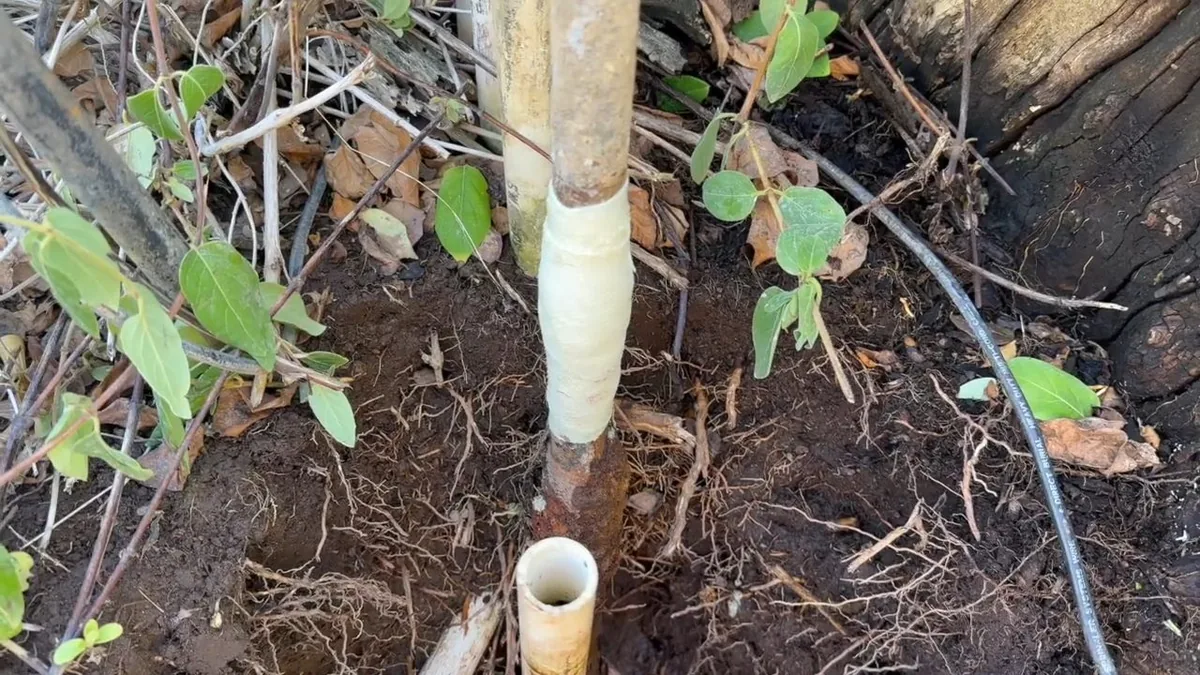
No water at all is a different case. Check whether the meter shutoff or the home’s main valve is closed, and whether neighbors are affected, since an outage on the street is the provider’s problem. If the neighbors have water and you do not, a broken line or a stuck valve is likely, and the plumber starts at the meter.
The repair itself is simple in principle. Water is shut off at the meter, the trench is opened to the pipe, the bad section is cut away and swapped for new pipe and fittings, and the line is pressure tested before the trench is filled. The surface is restored to what was agreed, and the plumber should tell you how long the water is off.
Pressure problems may not be a leak. Low water pressure can come from a partly closed valve, a clogged filter or a failing pressure regulator. High pressure damages fixtures and shortens the life of a water heater. A pressure regulator, or PRV, near the main steps pressure down for the house, and a plumber can test it with a gauge on a hose bib. Replacement is usually quick.
The main shutoff valve is part of this too. Find it before you need it, test that it turns, and tell everyone in the house where it is. A valve that is seized or leaks at the stem should be replaced so you can shut the water off in an emergency. A pressure test of a line, run after any repair, shows whether other leaks remain.
Water that has reached the house is a separate problem, handled by water damage restoration. Repeat leaks inside the walls may call for replacing old pipes, and a leak that runs under the floor is covered on the leak under the slab. The homepage covers same-day and night service.
Questions about water line repair and replacement in Arcadia
What should I do if I have no water at the house?
Check whether your neighbors have water, then look at the meter and the home shutoff valve to make sure both are open. If the neighbors are also out, call your water provider. If only your house is out, a broken service line or a stuck valve is likely, and a plumber can start at the meter.
How do I check my water meter for a leak?
Turn off every fixture and appliance that uses water, then watch the leak indicator on the meter. If it spins or the numbers change after a few minutes, water is moving somewhere. Close the home main shutoff and look again. If it stops, the leak is inside the house; if it keeps moving, the loss is on the line outside.
Where is my main water shutoff valve and how do I use it?
It is usually where the water line enters the house, in a garage, a utility room or on an exterior wall, with a second valve at the meter. Turn it clockwise until it stops. Test it now, before an emergency. If it is stiff or leaks at the stem, a plumber can replace it.
Can a leak under concrete in the yard be found without digging up the driveway?
Usually yes. A plumber uses listening equipment or tracer gas to locate the leak first, which limits the digging to the spot that needs it. Depending on the layout, a trenchless method may replace the line without opening the driveway. The leak detection page explains how a hidden leak is found.