
Emergency Whole Home Repipe in Arcadia, CA: Patch or Replace?
A burst pipe, pinholes or the third leak on one line? Call, and a plumber repairs the break and tells you whether the system is wearing out.
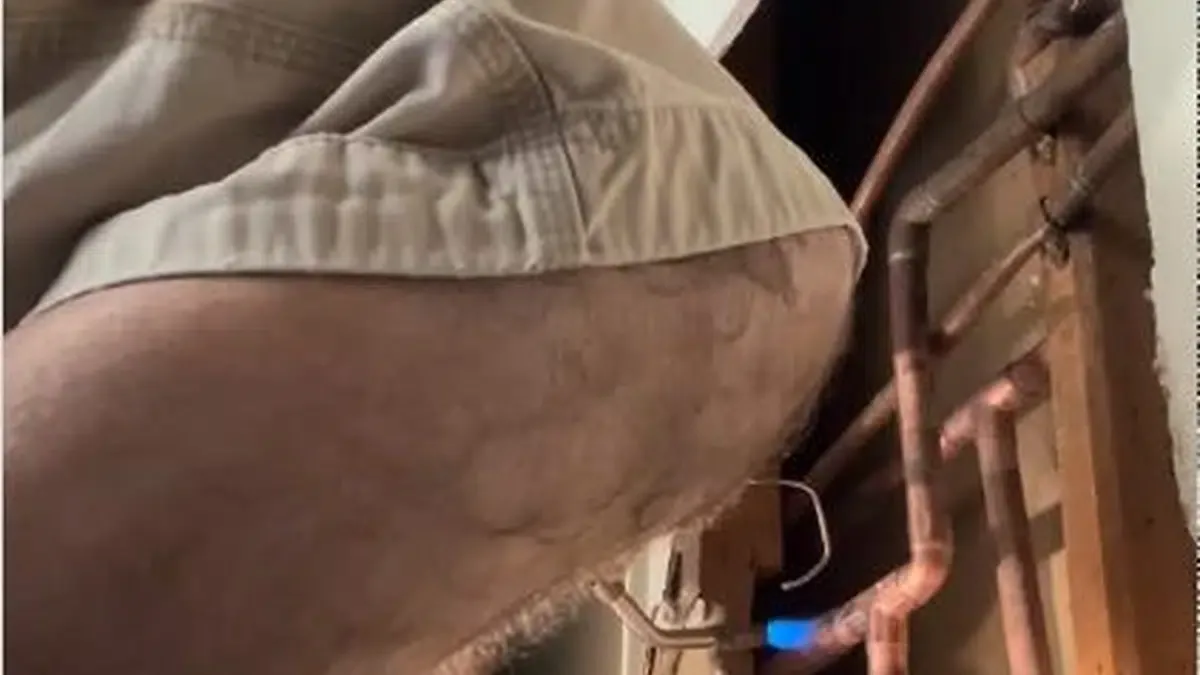
The question behind most repiping calls is not which pipe to buy but whether to keep patching. One leak is a repair. A second leak on the same line, or a third elsewhere, starts to look like a system that is wearing out, and each patch costs a visit and some wall or ceiling. A plumber who will explain where that line sits for your house is worth more than one who quotes a repipe on the first call.
Older housing is the local backdrop here. Census figures give 1965 as the median build year in Arcadia, and the large majority of units went up by 1979, so plumbing at an age to raise this question is common. The sections below follow the order of an emergency: a frozen or burst pipe, the repair that stops it, and the decision about replacing more.
Frozen pipes: how to thaw one and what to check afterward
A frozen pipe is a pipe whose water has turned to ice and blocked the flow, usually in an exterior wall, attic, garage or crawl space. Signs are a faucet that runs weakly or not at all, frost on an exposed pipe or a pipe that bulges. If you find one, open the faucet nearest to it so melting water and steam can escape, and thaw the pipe slowly with warm air from a hair dryer.
Never use an open flame, and do not leave a heat source unattended. The danger is not the ice; it is what ice has already done. A frozen pipe can split along its length, and the leak only shows when the ice melts. Keep the water off at the main until a plumber inspects the pipe, then turn it on slowly and watch the joints for dripping.
Frozen pipe repair is a pipe repair plus a hunt for the cause. The plumber replaces the split section, checks the pipes nearby for damage that has not leaked yet, and recommends insulation or rerouting where the pipe sits in an exposed space. If you cannot reach the frozen section, or if it is in a wall, call before thawing, since a split pipe behind drywall needs to be found, not warmed.
Burst pipe repair: stop the water, then call
When a pipe breaks, the order is simple. Shut off the main water valve, usually near the meter or where the line enters the house. Open the lowest faucet to drain the lines, switch off power to any wet area, and move belongings out of the water. Then call. Speed matters because a broken supply line keeps pouring water into a wall or crawl space until someone closes the valve.
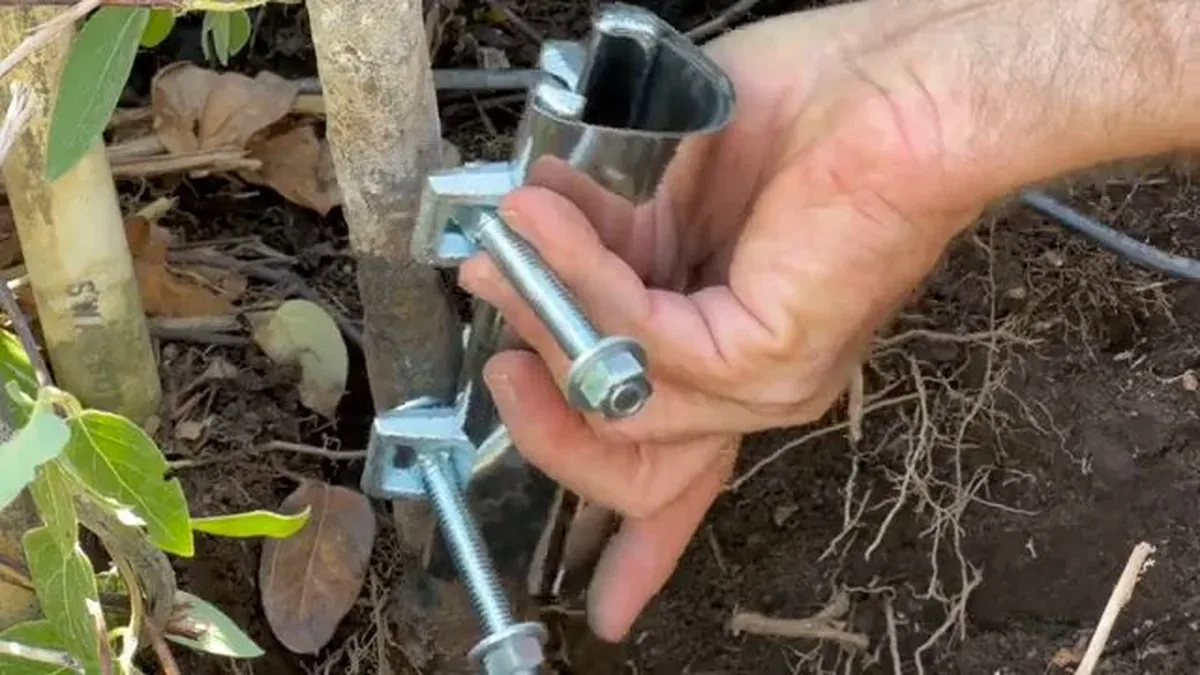
The plumber finds the break, removes the damaged length and puts in new pipe and fittings, then tests the line under pressure before closing anything up. If the burst was caused by a pressure spike or a failed regulator, that has to be fixed too, or the next section fails the same way. Ask for a written note of what failed so you can pass it to your insurer.
Pipe broken or water on the floor? Shut off the main, then call.
Call (626) 687-0217Water that reached drywall, flooring or insulation needs drying quickly. County risk guidance gives the drying window for wet materials as 24 to 48 hours, and it applies to clean water. The water damage restoration covers that side, and the plumber and the drying crew should be coordinated so walls are not closed over wet cavities.
| Situation | Usual response | Why |
|---|---|---|
| One leak, pipe otherwise sound | Repair the section | Cheapest fix when the rest of the line is in shape |
| Repeated leaks on one run | Replace that run | Each patch costs a visit, and neighbors fail next |
| Pinholes in several places | Repipe the system or the affected branch | The pipe wall is thinning along its length |
| Hidden line under a slab | Reroute through walls or attic | Digging the slab costs more than a new route |
Whole-house repiping: when replacing everything makes sense
A plumbing repipe means removing the old supply lines and installing new ones throughout the house. It is the right call when leaks keep recurring, when the water comes out discolored or with weak flow, or when the pipe material is known to fail with age. It is not a first response to one leak. A good plumber will show you where the leaks have been and explain what the evidence says about the rest of the system.
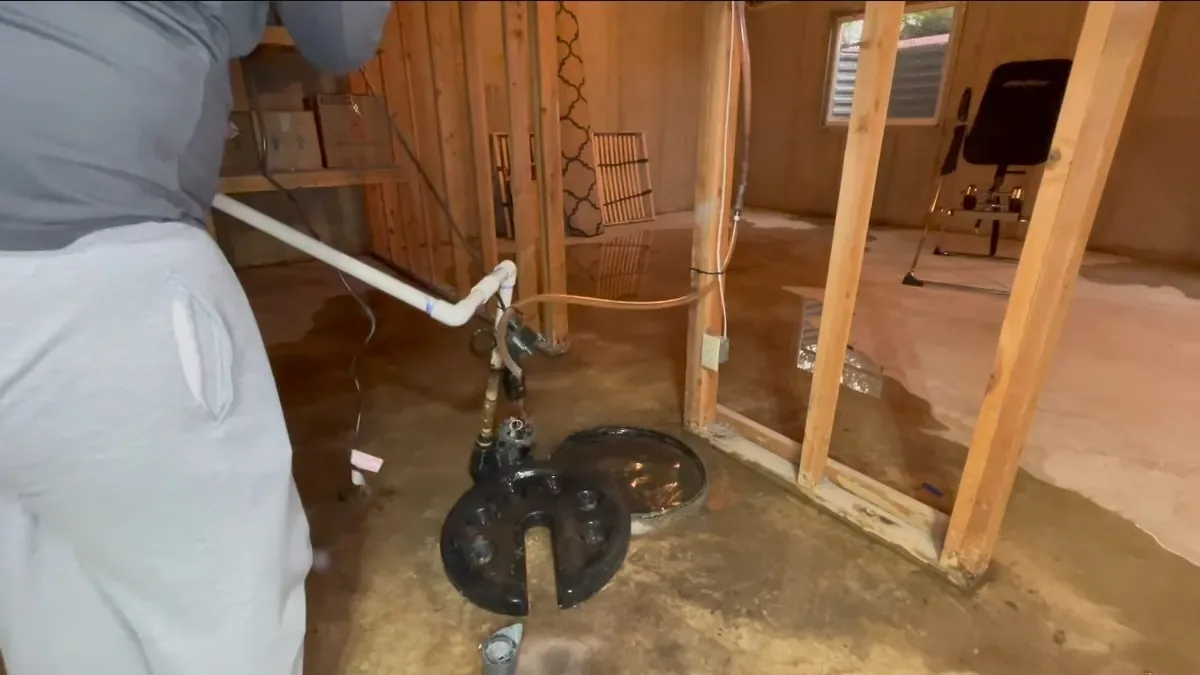
The job is done in stages. The plumber maps the lines, picks new routes through walls, attic or crawl space, and cuts access holes in drywall where needed. Water is off during the work, usually for a day or more depending on the house. After the new lines are in and tested, the drywall is patched, though painting usually is not part of the quote, so ask.
A whole home repipe can need a permit. Building Services, the City office that issues plumbing permits, can be reached at (626) 574-5416. Its published material shows no repiping rule, so ask there before work begins. Ask the plumber who will pull any permit and schedule the inspection.
Pipe replacement in Arcadia: replacing a section versus a branch
Between a single repair and a full repipe lies the pipe replacement of a section or a branch, such as the kitchen run, the bathroom group or the line from the water heater. It makes sense when the failure is local but the pipe on either side is the same age and likely to follow. The plumber replaces the run in one go, so you do not hire a repair crew every few months for the same stretch of wall.
When the answer is a section, ask for the extent in feet and where the new pipe will connect to the old. The connection is a mix of materials, and a poor transition fitting can corrode. Ask what the plumber will use and why, and whether the old line will be capped or removed. A capped dead end can collect stagnant water.
Pipe replacement is also a chance to fix related problems. A failing shutoff valve, a pressure regulator that is wearing out or a hose bib that leaks inside the wall can be replaced while the walls are open. Open walls are the expensive part of repiping, so it is the right time to deal with everything that sits in them.
Copper pipe: pinholes, pinhole pressure leaks and what they mean
Broken pipes in a copper system often start as pinholes, tiny leaks where the pipe wall has worn through, usually along a bend or near a fitting. A pinhole copper leak can spray a fine mist into a wall for weeks before it shows. Signs are a damp spot, a musty smell, green or blue deposits on a pipe, a drop in pressure or a bill that creeps up.
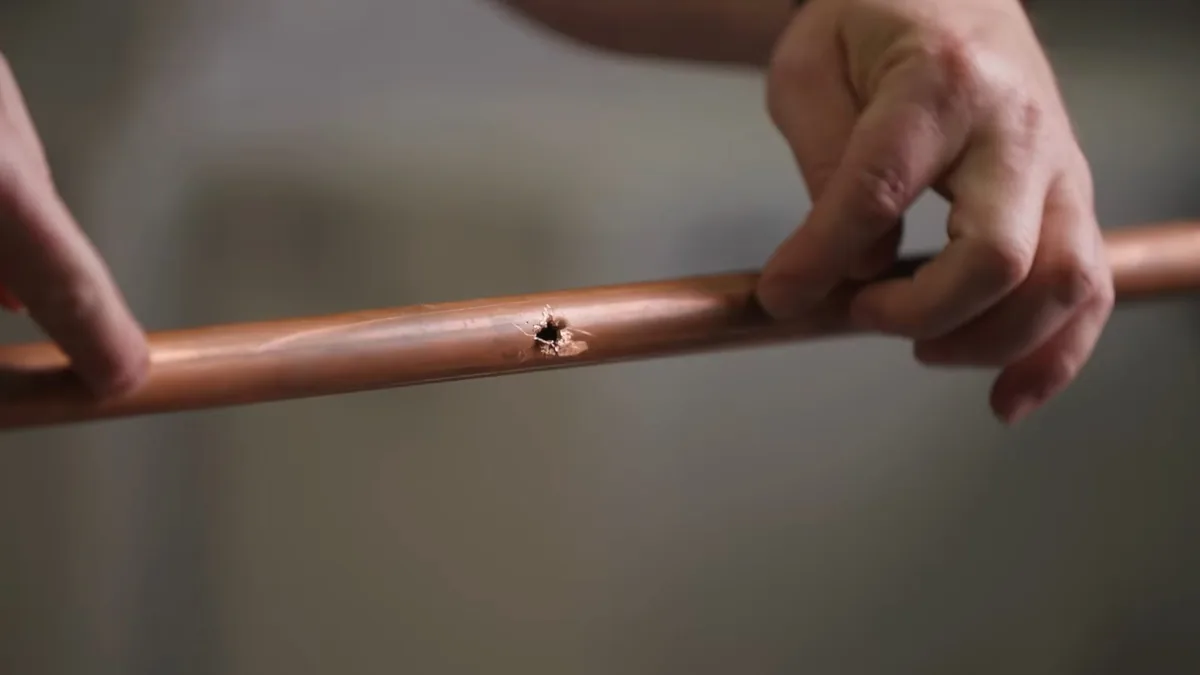
One pinhole may be repaired by cutting out the spot and installing a new section, a repair that is reliable when the surrounding pipe is sound. Several pinholes within a few years point to a system problem, and the plumber should look at water chemistry, pressure and the age of the pipe. Ask what the plumber believes caused the failure, whether pressure, water chemistry or age, rather than accepting a repair with no explanation.
Copper pipe leak repair and a copper repipe are both common. A copper repipe replaces the lines with new copper, and PEX is the other material in common use. Which one fits depends on the house and your budget, and a plumber should explain why one suits the walls, the water and the code. Ask about the warranty on materials and on labor as separate items.
Pipe repair: what a plumber does with a leak you can reach
A reachable leak is the easy case. The plumber shuts off the water, drains the line, cuts out the damaged piece and joins in new pipe with couplings or soldered fittings. For plastic lines, the joint is cemented or crimped. After the water is back on, the repair is checked under pressure and left uncovered for a short time so a slow drip is caught before the wall is closed.
Pipe patching with clamps or sleeves is a stopgap, not a lasting repair. It is sometimes used to hold a leak until the right parts arrive. Ask whether a patch is temporary and when the permanent fix will be made. A patch hidden behind drywall with no note is the kind of fix that fails in a year.
Some materials need their own approach. Galvanized steel corrodes from the inside, so a leak in an old galvanized line is often a sign of a wall that has thinned throughout, and a repair may hold only until the next joint fails. Under-slab lines are different again; the slab leaks covers locating and repairing them, and repeat leaks there often lead to a reroute.
Cast iron and plastic pipes belong to the drain side and are covered on the main sewer line work. Polybutylene, a gray or blue plastic used in some homes of earlier decades, has a record of failing at its fittings, and a plumber who finds it will usually recommend replacement. Pinhole leaks, whatever the pipe, should be located before any decision is made.
Night and weekend pipe emergencies are covered on the home page.
Questions about repiping and pipe repair in Arcadia
What should I do when a pipe bursts?
Shut off the main water valve first, then open the lowest faucet to drain the lines and switch off power to any wet area. Move belongings out of the water, take photographs for your insurer and call. Do not turn the water back on until a plumber has replaced the damaged section and tested the line.
How are under-slab pipes repaired or replaced?
The plumber locates the leak with equipment, then chooses between opening the slab over it, tunneling in from outside or rerouting the pipe overhead or inside the wall cavities. Repeated leaks usually point to a reroute. The slab leak page explains the three methods and how a leak is found before any concrete is cut.
Should I replace galvanized pipe?
Often, yes. Galvanized steel corrodes from the inside, which narrows the pipe and thins the wall, so low flow and rust-colored water are common signs. A leak in an old galvanized line usually means other sections are close behind. A plumber can inspect the pipe and show you where it has narrowed.
Do I need to repipe the whole house after one leak?
Not usually. One leak in an otherwise sound line is a repair. Repeated leaks on the same run, pinholes in several places or a pipe material known to fail with age are the signs that point toward replacing a branch or the whole system. Ask the plumber to show you the evidence.
What causes a frozen pipe to burst?
Water expands as it freezes, and the pressure builds between the ice and a closed valve or faucet until the pipe wall gives. The split often appears only when the ice melts. Pipes in exterior walls, attics, garages and crawl spaces are the usual spots. Insulation and keeping the heat on protect them.